

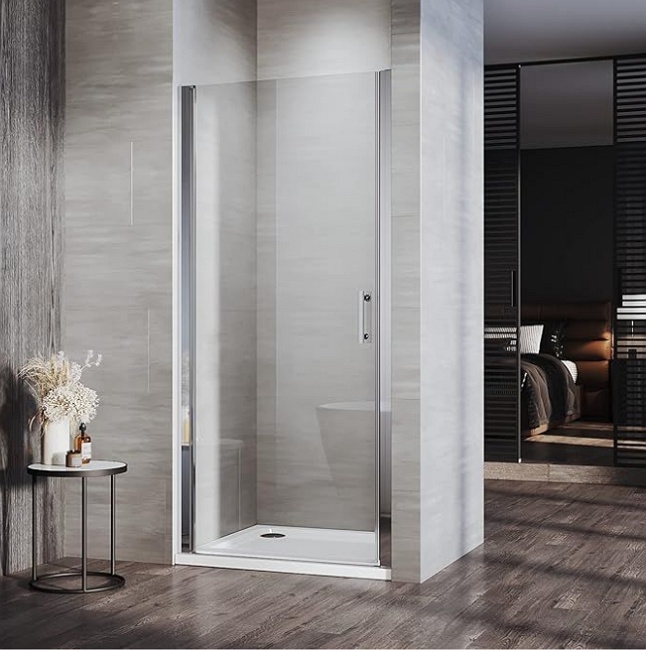
Picture this: You’ve finally decided to renovate the bathroom in your UK home. Maybe the tiles are looking tired, the fittings are out of date, and the shower enclosure has seen better days. You open up your browser and search for new shower screens. Suddenly, you’re faced with two main categories as frameless and framed. One is sleek and minimalist, the sort of thing you’d expect in a luxury hotel suite. The other is practical, sturdy, and let’s be honest. It should be kinder on your wallet as well. Which one should you choose?
This is the classic bathroom renovation dilemma for 2025. Homeowners all over the UK are wrestling with it right now. Frameless shower screens promise elegance and openness, while framed screens bring structure and affordability. Both have strong arguments on their side.
The aim of this guide is to cut through the confusion and give you the definitive buyer’s roadmap for shower screens in 2025. By the end, you’ll be able to make a confident decision, knowing exactly which option aligns with your budget, bathroom style, and long-term needs.
What Exactly Are Framed and Frameless Shower Screens?
Before diving into the comparisons, let's clearly define our contenders. Understanding the fundamental construction of each type is key to appreciating their differences.
What is a Framed Shower Screen?
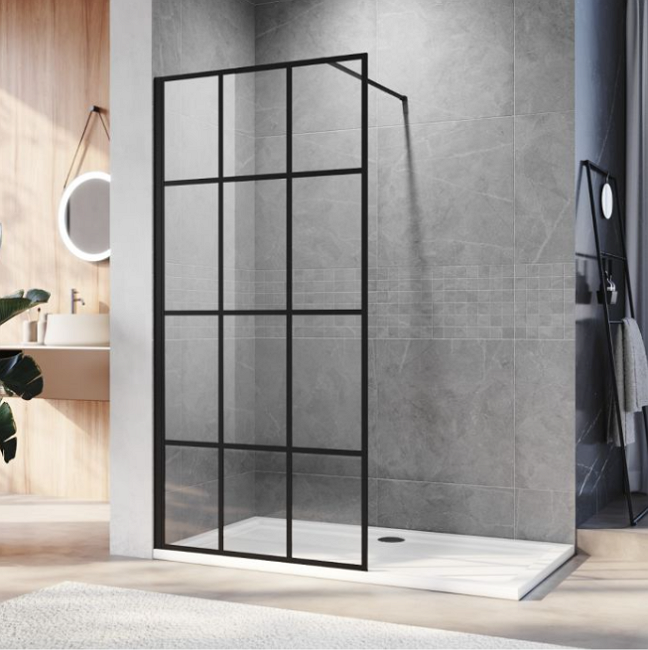
A framed shower screen is the classic option most homeowners will recognise. Here, the glass panels aren’t left to stand alone. Instead, they are bolstered by a visible metal frame, usually made from aluminium or chrome-plated steel.
The frame runs around all the glass edge stop, bottom, and sides. This provides strong structural integrity, meaning the glass itself doesn’t have to be unusually thick. It also makes installation easier, since the frame can cover small misalignments in your bathroom walls or flooring.
When you look at a framed shower, the metal framing is the most noticeable feature. It outlines the entire unit, giving it a defined, neatly bordered appearance.
What is a Frameless Shower Screen?
A frameless shower screen ditches that bulky outline altogether. These enclosures rely on thick, toughened safety glass, commonly 8mm to 12mm thick, supported only by discreet fixtures like small clamps, hinges, and almost invisible seals.
The result? A seamless, minimalist appearance designed to maximise light, space, and uninterrupted sight lines. Think modern spa retreats, boutique hotels, and high-end showrooms. This is the look a frameless shower screen naturally delivers.
The glass is the star. Apart from the door hinges and perhaps a floor channel, there’s little visible framing, creating a stunning "all glass" effect.
The Head-to-Head Comparison: Frameless vs. Framed Shower Screens
When faced with the choice, most buyers will compare showers on four core factors: aesthetics, cost, installation, and maintenance.
Aesthetics and Design Impact
Frameless Shower Screen:
· Sleek, modern, and timelessly stylish.
· Amplify light and make a bathroom appear more open and larger, perfect for smaller UK homes.
· Luxurious aesthetic, often used in designer bathrooms and new builds aiming for "wow factor."
Framed Screens:
· Offer a more solid, defined appearance, with clear separation between shower and bathroom space.
· Available in versatile finishes like chrome, matte black, brushed nickel, which can tie into taps and other fixtures.
· Best suited to traditional or family bathrooms where structure and durability are important.
Cost and Budget Considerations
This is where many buyers make their decision.
Frameless shower screen:
· Tend to be premium-priced due to thicker glass, precise measurements, and expert installation requirements.
· Aimed at homeowners willing to invest for style and longevity.
Framed shower screen:
· Marketed as affordable and practical, costing far less to buy and install.
· Widely available in DIY-friendly kits, making them even more budget-conscious.
UK 2025 Price Comparison (Average Ranges):
Shower Screen Type | Typical Price Range |
Framed | £150 – £400 |
Frameless | £500 – £1500+ |
Installation and Complexity
Frameless shower screen:
· Requires precise measuring (often after tiling is done).
· Installation should only be done by qualified professionals.
· Misalignment can cause leaks or even glass stress cracks.
Framed shower screen:
· More forgiving thanks to the adjustable frame.
· DIYers with moderate skills can sometimes manage installation.
· Less risk if walls aren’t perfectly plumb.
Maintenance and Cleaning
Frameless shower screen:
· Minimal hardware = fewer places for grime to hide.
· A quick wipe keeps them looking showroom fresh.
· Many now come with anti-limescale coatings, a big plus in hard water regions of the UK.
Framed shower screen:
· The downside is the metal framework itself. Water, soap scum, and mould often accumulate in crevices.
· Needs more regular scrubbing and attention to seals.
The Best Shower Screen for Your UK Bathroom
So, which one is right for your specific situation? Let’s match the product to the project.
When to Choose a Frameless Shower Screen
Go frameless if you’re seeking a luxury aesthetic and want your bathroom to look like an upgraded spa. It’s especially suitable if:
· You live in a modern property or a recently renovated home.
· Your budget stretches beyond £500.
· You want to make a small bathroom feel bigger.
· You prefer low-maintenance cleaning.
· You’re creating a wet room or walk-in shower.
When to Choose a Framed Shower Screen
Framed still has a strong role in UK bathrooms in 2025. They are especially ideal if:
· You’re renovating on a tight budget.
· You own a rental property where durability matters more than luxury.
· Your home has slightly uneven walls (common in older UK houses).
· You prefer a more traditional style that feels contained and structured.
· You’re happy to prioritise function over flair.
In short, the framed option wins for value, strength, and practicality.
The Middle Ground: Semi-Frameless Screens
You don’t always have to choose between the extremes. A semi-frameless shower screen combines both worlds, offering:
· Minimal frame around just the doors or edges.
· Cleaner look than fully framed, but cheaper than true frameless.
· A good compromise for buyers seeking elegance, without the price tag.
Typical users? Style-conscious but cost-aware homeowners who want the modern look with less worry about price.
The 2025 UK Buying Guide: What to Look For
Choosing a shower screen isn’t just about appearance; it’s also about the practical details hidden behind the glass. From legal safety requirements to finishes and long-term water protection, each aspect makes a difference to everyday use. Here’s a closer breakdown of what UK buyers should pay attention to in 2025.
Glass Quality and Thickness
In the UK, all shower screens must comply with British Standards (BS EN 12150), which require the use of toughened or tempered safety glass. This regulation ensures that, in the unlikely event of breakage, the glass shatters into small, less dangerous fragments rather than sharp shards.
· Frameless screens usually employ 8mm, 10mm, or even 12mm glass. The lack of a supporting frame means the glass itself must provide the structural stability. Thicker glass not only enhances durability but also gives a more solid, luxurious feel when opening and closing doors. You’ll notice the reassuring "heft" in comparison to lighter framed alternatives.
· Framed screens, by contrast, can safely use thinner glass (6–8mm). The surrounding aluminium or chrome framework shoulders much of the support work. This makes them more budget-friendly, but it also means they lack that weighty, premium presence many homeowners associate with frameless designs.
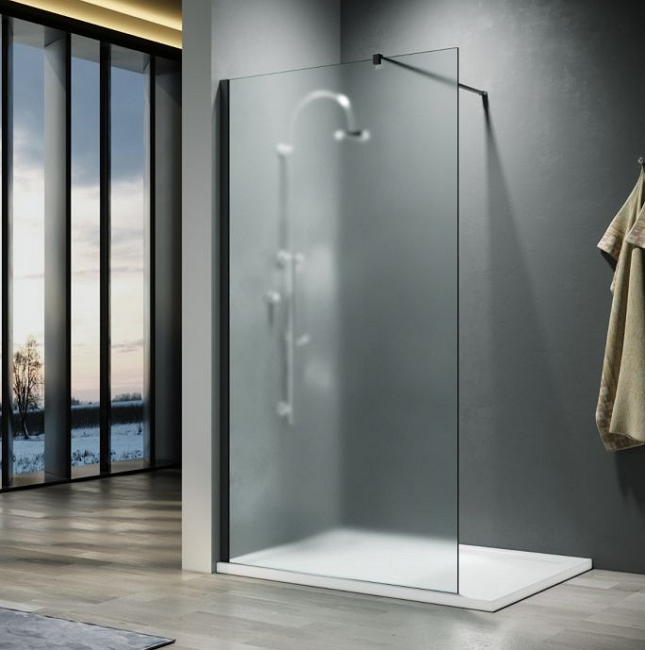
When evaluating glass, also consider clear vs. frosted vs. textured finishes. Clear glass creates openness, while frosted or fluted options provide more privacy, an increasingly popular choice for shared family bathrooms in the UK.
Hardware and Finishes
Glass might be the star, but the hardware is the unsung hero. Hinges, handles, brackets, and door mechanisms face daily wear and constant exposure to moisture and cleaning products.
· Material matters
Cheap zinc alloys or low-grade chrome plating may look good on day one but quickly corrode in the UK’s humid bathrooms. Instead, look for stainless steel, brass, or high-quality anodised aluminium, which can withstand long-term moisture without rusting.
· Design trends for 2025
Hardware isn’t just functional, it’s a style choice. The biggest trends include Matte Black, Brushed Gold, and Brushed Nickel finishes. These pair well with matching taps, towel rails, and even lighting fixtures, helping homeowners create a cohesive bathroom theme.
Some premium brands now offer interchangeable handles and hinges, letting you refresh the look in future without replacing the full unit. This can be a cost-saving option over time, especially for renovators who like to change aesthetics every few years.
Buying tip: For coastal areas in the UK, where salty air corrodes metals faster, stainless steel is the safest long-term investment.
Seal Quality and Water Tightness
A shower screen is only as good as its ability to keep water where it belongs, inside the shower enclosure.
· Frameless models
Since they rely on fewer structural barriers, frameless designs depend heavily on the quality of the sealing system. Look for magnetic door seals, flexible transparent strips along the base, and silicone channels around joins. Poor seals can lead to water leakage and expensive floor damage.
· Framed models
These often include more seals by design, giving an immediate edge in water-tightness. However, because there are more seals, there are also more opportunities for failure. Rubber seals can degrade, harden, or discolour over time, requiring periodic replacement.
Measurements and Customisation
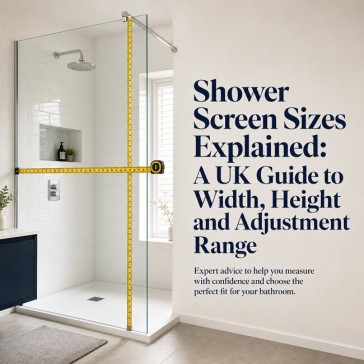
Perhaps the most overlooked step is measuring correctly. Installing a shower screen that doesn’t fit perfectly is a recipe for leaks, endless adjustments, and frustration.
· Always measure after tiling is complete, since tile thickness can alter wall dimensions by up to 10mm.
· Look at your bathroom layout, smaller bathrooms in UK homes, especially in older Victorian or semi-detached properties, often benefit from sliding doors, which don’t require space to swing open.
· Pivot or hinged doors provide a more dramatic, luxury feel but require greater clearance; they work best in en-suites or larger bathrooms.
For those willing to invest, made-to-measure frameless screens offer a tailor-fit solution. They are particularly useful for quirky layouts, awkward alcoves, or loft-conversion bathrooms where standard sizes won’t work. While pricier, they deliver seamless integration.
Top UK Shower Screen Brands and 2025 Trends
When deciding where to buy, sticking with reputable brands offers both peace of mind and reliable after-sales service.
Trusted UK Brands for 2025
· Victoria Plum – Well-known for affordable, stylish products. A strong option if you’re after framed or semi-frameless screens at competitive prices, with frequent seasonal sales.
· Britton – Aimed at buyers seeking sleek, designer-inspired shower spaces, with high-quality finishes and subtle hardware.
· Crosswater – Particularly respected for its frameless collections, often seen in luxury bathroom showrooms. Offers bold design trends such as brushed brass finishes and textured glass.
· Merlyn – Sits in the mid-to-luxury category, combining robust engineering and enduring quality. A favourite among fitters for its reliability and spare parts availability.
Shower Design Trends in 2025
The UK bathroom market continues to evolve, with several clear trends defining this year:
1. Ultra-thin profiles – Buyers increasingly want that “barely-there” look, with discreet brackets and edge channels.
2. Statement hardware – Matte black remains in demand but brushed gold and champagne tones are breaking through.
3. Textured glass – Fluted, ribbed, or tinted options strike a balance between privacy and sophistication, perfect for shared homes.
4. Anti-limescale coatings – Particularly valuable in hard-water regions like London, Kent, or the Midlands. These coatings reduce cleaning time, keeping glass clear with minimal effort.
5. Eco-conscious design – Some brands now promote recyclable materials or reduced packaging. This is a small but growing focus for eco-conscious UK buyers.
Conclusion: Frameless vs. Framed Shower Screen – The Final Verdict
So, which is best?
· If you value budget-conscious practicality: choose framed.
· If you crave luxury, openness, and seamless design: go frameless.
· If you want the best of both aesthetics and affordability: explore semi-frameless.
Ultimately, the right choice comes down to your bathroom layout, budget, and style goals. Whichever path you take, remember:
· Always measure accurately after tiling.
· Check glass quality (BS-kitemarked safety glass is a must).
· Opt for reputable hardware, especially in humid climates.
· And if you choose framelessbook a certified professional fitter to guarantee a perfect finish.
For more options from classic framed enclosures to ultra-modern frameless designs visit Elegant Showers UK and get expert consultant advice for your specific bathroom project.


Validate your login