

Getting your shower tray shape right can make or break your bathroom design. It's not just about looks. The wrong choice you make can leave you cramped, frustrated, and wishing you'd thought more carefully. Whether you're renovating a tiny en-suite or designing a spacious family bathroom, the shape of your shower tray affects everything from daily comfort to property value.
In UK homes, four main shapes dominate the market: square, rectangular, quadrant, and offset quadrant. Each brings unique benefits and challenges. A square tray offers classic symmetry but might waste precious space. A rectangular option maximises efficiency but needs careful planning. Quadrant trays squeeze into corners beautifully, while offset quadrants offer the best of both worlds.
Your choice impacts how spacious your bathroom feels, how easy it is to move around, and whether your morning shower feels luxurious or cramped. This guide will help you navigate these options and find the perfect fit for your UK bathroom layout.
What are Shower Tray Shapes and Their Impact on Bathroom Layouts
Your shower tray isn't just a functional necessity – it's the foundation that shapes your entire bathroom experience. Think of it as the stage where your daily routine plays out. The wrong shape can make even a large bathroom feel awkward, while the right choice can transform a tiny space into something surprisingly comfortable.
Different shapes create different visual effects too. A sleek rectangular tray can make a narrow bathroom appear wider. A neat quadrant tucked into a corner can free up precious floor space for other essentials. Each shape tells your bathroom how to behave.
UK bathrooms face unique challenges. Many homes feature compact layouts, awkward angles, or Victorian-era proportions that don't play nicely with modern fixtures. Add in the typical British terraced house layout – narrow, deep rooms with limited natural light – and your tray choice becomes even more critical.
When choosing your shape, consider where your door opens, window positions, existing plumbing, and how people move through the space. A family bathroom needs different priorities than a guest en-suite. Your heating, storage needs, and personal style preferences all factor into this decision. The goal is creating a space that works beautifully for your specific situation.
Square Shower Trays: The Classic Choice
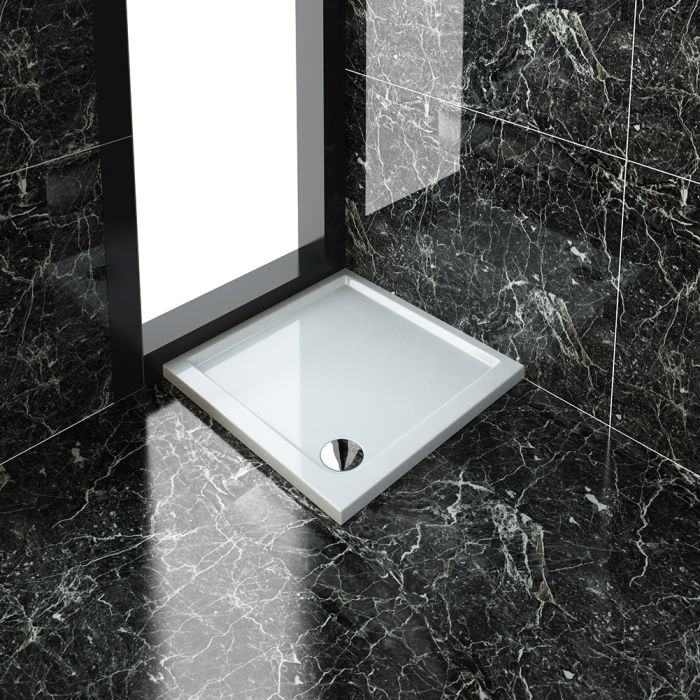
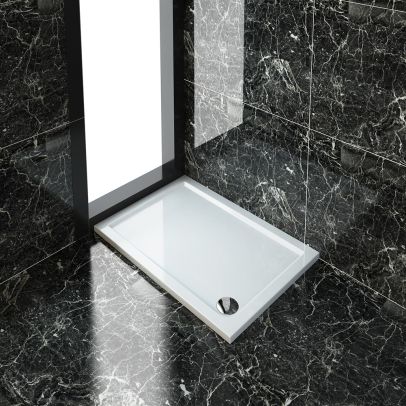
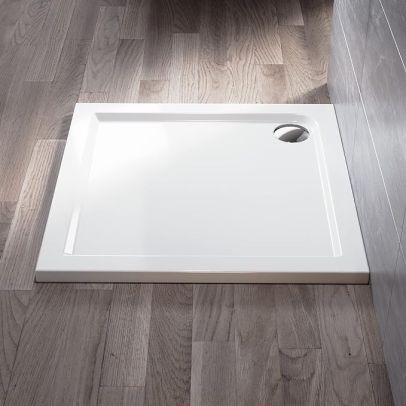
Square shower trays are the traditional workhorses of British bathrooms. They offer perfect symmetry – each side measures the same, creating a balanced, orderly appearance that suits both modern and classic design schemes. This predictable shape makes them incredibly versatile and easy to plan around.
These trays shine in spacious or symmetrical bathrooms where space isn't at a premium. They work particularly well in the centre of larger rooms or when you want to create a focal point. The equal dimensions mean you get generous elbow room in all directions – perfect for those who like space to move while showering.
The advantages are compelling. Installation is straightforward because plumbers and tilers work with square shapes constantly. You'll find the widest range of sizes available, from compact 700mm options up to luxurious 1000mm versions. The symmetrical design pairs beautifully with most shower enclosure styles, and replacement parts are always readily available.
However, squares can be space-wasters in smaller bathrooms. That equal-sided design might not make the best use of your available floor area. Popular UK sizes include 800mm x 800mm for average bathrooms and 900mm x 900mm for more generous spaces.
Design-wise, square trays work brilliantly with ceramic tiles in grid patterns. They complement both pivot and sliding shower doors, and their classic proportions never look dated or out of place.
Rectangular Shower Trays: Maximising Space Efficiency
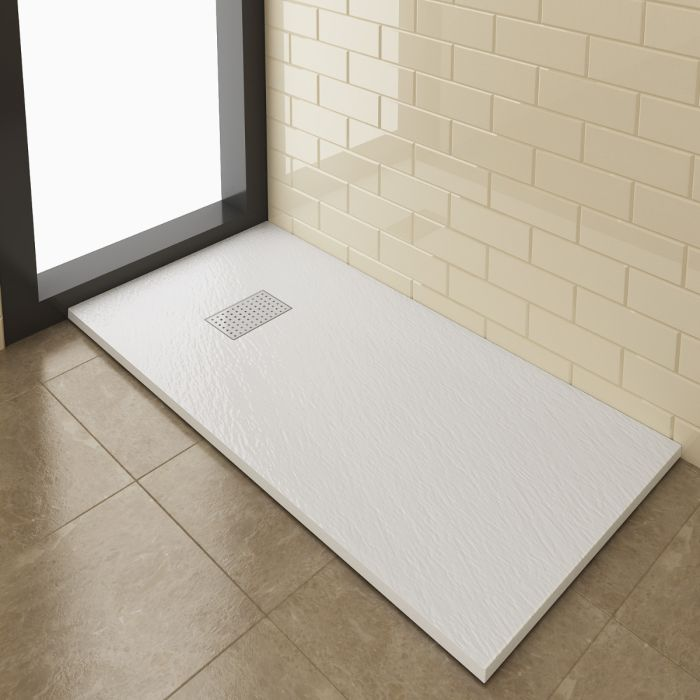
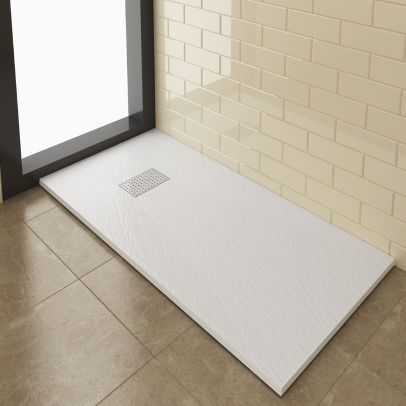
Rectangular shower trays are the problem-solvers of the shower world. Their elongated shape makes them masters of space efficiency, fitting beautifully into alcoves, under windows, or along walls where a square simply wouldn't work as well.
These trays excel in specific situations. Got a narrow bathroom? A rectangular tray running along the longest wall can create an impressive walk-in shower effect. Need to fit under a window? The shorter width dimension lets you slide right underneath while still providing plenty of showering space.
The benefits are significant. Rectangular trays often provide more internal floor space than equivalent-area squares, giving you room to move without feeling cramped. They're perfect for creating that spa-like, walk-in shower experience that's increasingly popular in UK homes. The linear design works beautifully with contemporary bathroom styles.
The main drawback is that they demand more floor space in one direction. This can be problematic in some layouts where wall space is limited. Popular sizes include 700mm x 1400mm for compact spaces and 800mm x 1600mm for more generous installations.
Design opportunities abound with rectangular trays. They pair perfectly with glass screens to create that seamless, modern look. Linear drainage systems work particularly well, and the shape lends itself to striking tile patterns that emphasise the room's proportions.
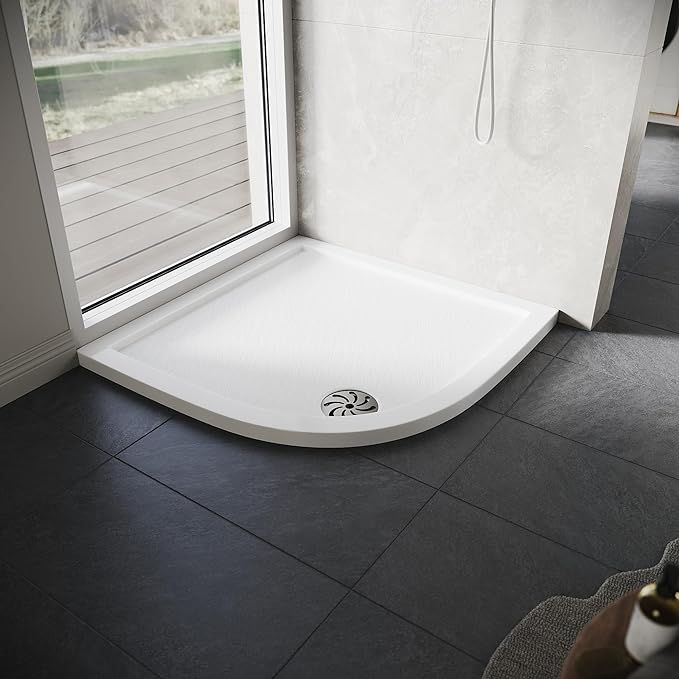
Quadrant Shower Trays: The Space-Saving Corner Solution
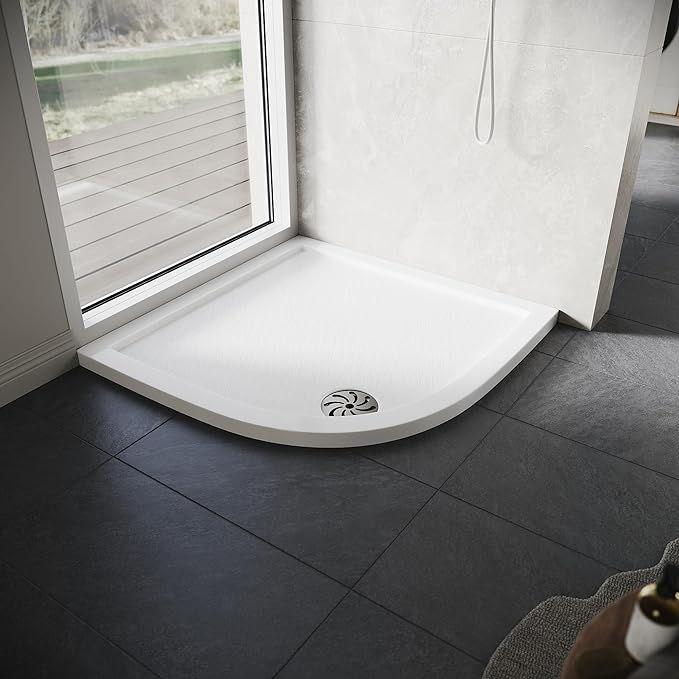
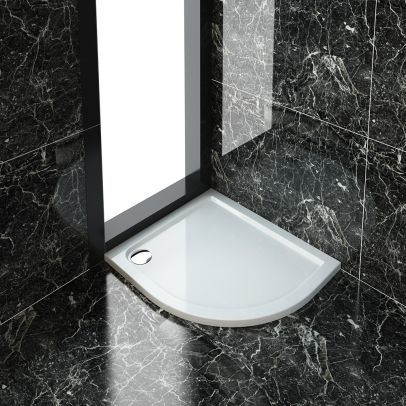
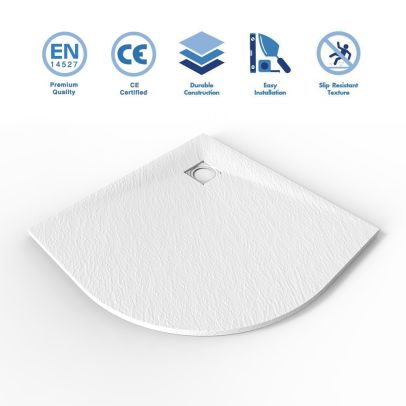
Quadrant shower trays are quarter-circles designed specifically for corner installations. They're the ultimate space-savers, turning what might be dead corner space into a functional, attractive shower area. For small UK bathrooms, they're often the difference between having a shower and not having one at all.
These corner champions work best in compact bathrooms, en-suites, or any space where every square centimetre counts. The curved front edge creates a softer, more organic feel than angular alternatives, and the design naturally draws the eye, making the space feel less cramped.
The advantages are clear. Quadrant trays maximise corner usage while leaving the rest of your bathroom free for other essentials. They create a neat, tidy appearance that doesn't dominate small spaces. Movement around the bathroom remains easy because the curved front doesn't project as far into the room as rectangular alternatives might.
However, there are limitations. You're restricted to corner entry, which might not suit all layouts. Some users find the curved space slightly restrictive compared to rectangular alternatives. Standard sizes include 800mm x 800mm and 900mm x 900mm radius options.
Design considerations include choosing complementary quadrant enclosures and ensuring door swing direction works with your room layout. The curved shape can be highlighted with contrasting floor tiles or used to create interesting geometric patterns that enhance the corner location.
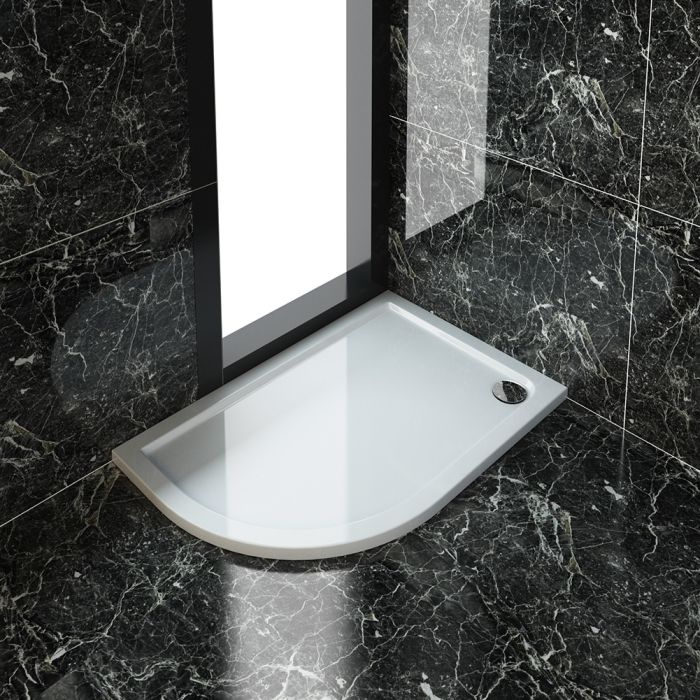
Offset Quadrant Shower Trays: The Flexible Corner Option
Offset quadrant trays take the corner-maximising concept and add flexibility. These asymmetric designs provide the corner-fitting benefits of standard quadrants while offering more internal space where you need it most. They're like quadrants that have been stretched in one direction to create additional room.
These trays excel in corners where a standard quadrant feels too restrictive, or when you need more space on one particular side. They're perfect for awkward layouts where walls aren't equal lengths, or when door positioning requires more room on one side than the other.
The benefits combine the best of both worlds. You get more internal showering space than a standard quadrant while still fitting into corner locations. The asymmetric design offers flexibility for door placement and user movement. They work well in irregular spaces where standard shapes might look forced or awkward.
The main considerations are that they require more space than standard quadrants and aren't as commonly available, which can affect both choice and pricing. Popular sizes include 800mm x 1200mm and 900mm x 1400mm configurations.
Design applications include using them in irregular bathroom shapes where standard options don't quite work. They pair well with offset enclosures and can be used to create interesting focal points in otherwise challenging spaces. The extra space makes them more comfortable for daily use than standard quadrants.
Comparing Shower Tray Shapes: Which One is Right for Your Bathroom?
Shape | Best For | Key Advantages | Main Drawbacks |
Square | Spacious, symmetrical bathrooms | Easy installation, wide size range, classic look | Can waste space in small bathrooms |
Rectangular | Alcoves, wall installations, narrow spaces | Space-efficient, walk-in shower feel | Requires more length in one direction |
Quadrant | Small bathrooms, corner locations | Maximises corner space, leaves room free | Limited entry points, can feel restrictive |
Offset Quadrant | Irregular corners, need for extra space | More room than quadrant, still corner-fitting | Less common, more expensive |
For real-world applications, consider these scenarios. In a small en-suite (under 3 square metres), a quadrant or offset quadrant makes the most sense. They'll give you a proper shower without overwhelming the space. For family bathrooms where comfort matters most, rectangular or square trays provide the generous showering space that makes morning routines pleasant rather than rushed.
In awkward shaped rooms – common in older UK properties – offset quadrants often provide the perfect solution. They can adapt to irregular wall lengths while still maximising available space.
Measuring your bathroom correctly is crucial. Measure not just the floor space, but consider door swings, toilet positions, and radiator locations. Remember to account for the shower enclosure thickness when calculating available space.
Factors to Consider When Choosing a Shower Tray Shape
Your bathroom size and layout form the foundation of any good decision. Measure carefully, not just overall dimensions but how space flows. Where does the door open? Are there windows to work around? How do people move through the space? These factors often dictate which shapes are practical options.
User needs deserve serious consideration. A shower that works for a young couple might be completely unsuitable for elderly relatives who visit regularly. If accessibility matters, rectangular trays often provide easier entry and more maneuvering space. Families with children might prioritise different features than single professionals.
Aesthetic preferences shouldn't be overlooked. Modern bathrooms often favour clean lines and rectangular shapes, while traditional designs might call for classic square proportions. Your shower tray should complement your overall design scheme, not fight against it.
Plumbing and drainage practicalities can override style preferences. The position of your waste pipe, access for maintenance, and installation complexity all affect costs and feasibility. Some shapes are simply easier to install than others, which impacts both initial costs and future maintenance.
Budget considerations extend beyond the tray itself. Different shapes require different enclosure types, and some are more expensive than others. Material choices also interact with shape – stone resin offers more design flexibility than acrylic but costs significantly more.
Material selection affects your shape options too. Acrylic trays offer the widest range of shapes at budget-friendly prices. Stone resin provides premium feel and durability. Ceramic options are limited but offer exceptional longevity.
Installation Considerations for Different Shower Tray Shapes
Each shower tray shape brings unique installation challenges and requirements. Understanding these helps you plan properly and budget accurately for your project.
Square and rectangular trays share similar installation approaches. The main challenges involve ensuring perfect levelling – crucial for proper drainage – and aligning the waste outlet correctly. These shapes are straightforward for experienced installers, but precision matters enormously. Poor levelling leads to standing water and eventual problems.
Quadrant and offset quadrant installations are more complex. Corner alignment becomes critical, and ensuring proper sealing around the curved edges requires skill and patience. The corner location can make access more difficult during installation, potentially increasing labour costs.
Professional installation versus DIY is worth considering carefully. While competent DIY enthusiasts can handle straight-forward rectangular installations, quadrant trays often justify professional help. The corner sealing and alignment requirements can be tricky to get right first time.
UK Building Regulations add another layer of requirements. Proper waterproofing, adequate drainage falls, and appropriate ventilation are legal requirements, not optional extras. Professional installers understand these requirements and can ensure compliance.
Consider future maintenance access too. Some shapes and installations make later access for repairs more difficult than others. Planning for this during installation can save significant hassle later.
Conclusion
Choosing the right shower tray shape transforms your bathroom from functional necessity to daily pleasure. Square trays offer timeless versatility, rectangular options maximise efficiency, quadrants save precious space, and offset quadrants provide flexible solutions for challenging layouts.
The perfect choice depends entirely on your specific situation. Consider your space constraints, user needs, style preferences, and budget carefully. Measure twice, install once – accuracy at the planning stage prevents expensive mistakes later.
Remember that this decision affects your daily routine for years to come. Choose a shape that enhances both function and style, creating a bathroom you'll genuinely enjoy using. Professional advice during planning can prevent costly mistakes and ensure your choice works perfectly for your lifestyle.
For expert guidance and a comprehensive range of shower tray solutions, please visit Elegant Showers UK Online Shop. We can help you make the perfect choice for your bathroom transformation.



Validate your login