

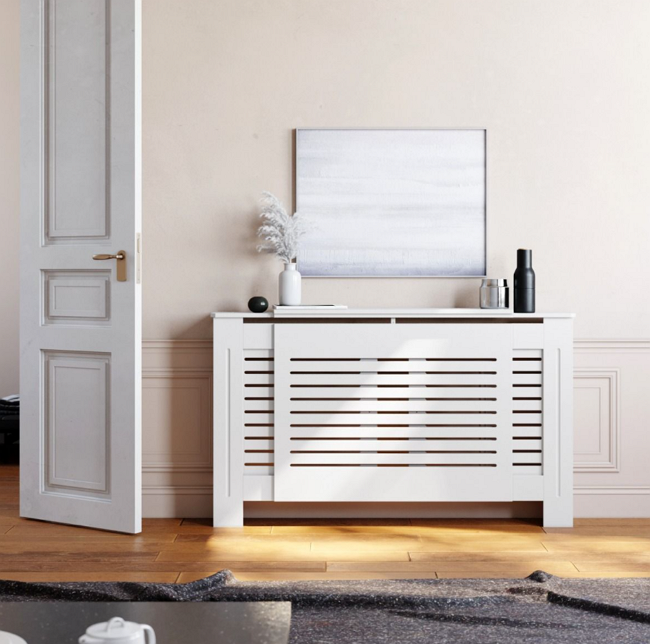
There’s a familiar ritual in British households as summer fades into autumn. The evenings draw in, there’s a distinct chill in the air, and you finally relent and turn the central heating on. But instead of cosy warmth, you're met with an unpleasant, acrid smell—the unmistakable scent of burning dust.
More often than not, the culprit isn't your radiator itself, but the stylish radiator cover concealing it. While these covers are fantastic for aesthetics and safety, they are notorious dust traps. Neglecting your radiator cover maintenance doesn't just create a nasty smell; it can impact your health, your wallet, and the cover itself.
This comprehensive guide will walk you through everything you need to know about radiator cover cleaning, from daily dusting to a seasonal deep clean, ensuring your home stays fresh, efficient, and beautiful all year round.

Why Radiator Cover Cleaning is Non-Negotiable
Before we dive into the how, it's crucial to understand the why. Proper radiator cover care is far more than a cosmetic chore; it's an essential part of home maintenance in the UK.
Preventing the Burning Dust Smell
That dreaded smell is the most immediate sign of a neglected cover. Dust, fabric fibres from laundry, pet dander, and other airborne particles are drawn into the radiator cover grilles by the natural convection currents. Over time, this debris settles directly onto the hot surfaces of the radiator. When you turn the heating on after months of disuse, this layer of grime quite literally burns away, releasing that characteristic odour into your living space.
Protecting Your Health and Indoor Air Quality
The burning dust isn't just smelly; it can be an irritant, especially for those with asthma, allergies, or other respiratory conditions. Furthermore, a dirty cover continuously circulates dust and allergens every time the heating runs, degrading your indoor air quality. Regular radiator cover cleaning is a simple way to create a healthier home environment.
Maintaining Radiator Efficiency and Heating Performance
Your radiator’s job is to emit heat. A thick layer of dust and debris, both on the cover and the radiator fins, acts as an insulator. This forces your central heating system to work harder and for longer to achieve the desired room temperature, directly leading to higher energy bills. A clean system is an efficient system.
Preserving the Beauty of Your Radiator Cover
Whether you have a sleek, modern design or a classic, ornate piece, grime build-up can permanently stain or damage the finish. Painted MDF radiator covers are particularly vulnerable to ingrained dirt that can dull their appearance. Consistent radiator cover maintenance protects your investment and keeps it looking its best for years to come.
Radiator Cover Cleaning Preparation Steps
A successful clean starts with the right preparation. Taking a few minutes to get set up will make the entire process smoother and more effective.
-
Gather Your Radiator Cover Cleaning Tools:
-
Vacuum cleaner with a brush attachment and a crevice tool.
-
Several microfiber cloths (they trap dust without scratching).
-
Soft-bristled brushes (a clean paintbrush or a large makeup brush is perfect for intricate details).
-
A bucket of warm water.
-
A few drops of mild washing-up liquid or a pH-neutral cleaner.
-
A screwdriver (if your cover is fixed in place).
-
-
Safety First: Let the Radiator Cool Completely
This is non-negotiable. Never attempt to clean a radiator or its cover while it is hot, as this poses a serious burn risk. Ensure the heating has been off for several hours before you begin. -
How to Access Your Radiator Cover for Cleaning
Some covers simply lift off, while others are screwed to the wall or base. Check your model carefully. If it’s fixed, you may need to unscrew it to perform a truly thorough clean, especially for the first time.
How to Dust Intricate Radiator Cover Grilles Effectively
The grilles are the biggest dust magnets and often the most challenging part to clean. Here’s how to tackle them without causing damage.
The Vacuum Cleaner Method (Primary Method)
Your vacuum is your best friend for this task. Always use the brush attachment on a low-to-medium suction setting to prevent scratching the finish.
-
Front Grille: Methodically run the brush attachment over the entire front grille, paying attention to the patterns.
-
Crevice Tool: Switch to the crevice tool to get deep into the individual slots of the grille and the tight gaps where the top and side panels meet.
-
Top Vents: Don’t forget the top vent, which is a primary channel for hot air and dust. Use the crevice tool here as well.
The Soft-Bristled Brush Technique (For Delicate Grilles)
For highly ornate or delicate radiator cover grilles that the vacuum might not clean thoroughly, a soft-bristled brush is ideal.
-
Gently brush the surface of the grille to dislodge the dust. You can do this directly over the vacuum nozzle to capture the dust as it falls, or over a sheet of newspaper which you can then carefully dispose of.
-
Use a dabbing and twisting motion to get into carved details and corners.
Tackling Stubborn Dust in Ornate Grilles
If dust has become caked on, you can use a slightly damp microfiber cloth. Wring it out thoroughly so it’s just moist, and carefully wipe the individual slats of the grille. Follow up immediately with a dry cloth to prevent moisture from sitting on the material.
Cleaning a Painted MDF Radiator Cover Safely
Painted MDF radiator covers are popular for their smooth finish and customisable look, but MDF is vulnerable to water damage. The key is to use a minimal amount of moisture.
Understanding Painted MDF and Its Vulnerabilities
Medium-Density Fibreboard (MDF) can swell, warp, and delaminate if it absorbs too much water. Harsh chemicals can also strip or dull the painted finish. Therefore, a gentle touch is essential for cleaning painted MDF.
The Ideal Radiator Cover Cleaning Solution
Mix a few drops of a mild, non-abrasive washing-up liquid into a bucket of warm water. Avoid all-purpose cleaners with strong solvents or ammonia.
The Wiping Technique for a Painted Finish
-
Dampen, Don't Soak: Immerse a microfiber cloth in the solution and wring it out until it is only slightly damp.
-
Wipe Gently: Wipe the flat surfaces of the radiator cover in a consistent, circular or back-and-forth motion. There is usually no "grain" on painted MDF.
-
Dry Immediately: This is the most critical step. Take a second, dry microfiber cloth and immediately buff the surface you just wiped until it is completely dry and streak-free. This prevents any water from seeping into the material.
What to Avoid When Cleaning MDF
-
NO Abrasive Sponges: Scouring pads or harsh sponges will permanently scratch the paint.
-
NO Harsh Chemicals: Avoid bleach, strong degreasers, or nail polish remover.
-
NO Saturation: Never spray cleaner directly onto the cover. Always apply it to your cloth first.
Radiator Cover Maintenance Schedule and Deep Cleaning Tips
Consistency is key to preventing major build-up and ensuring your heating system runs efficiently.
Creating a Radiator Cover Maintenance Schedule
-
Weekly/Bi-Weekly: A quick, five-minute dusting of the grilles and top surface with a microfiber duster or your vacuum's brush attachment.
-
Seasonally (Essential): Perform the full deep clean as described in this guide twice a year: once in early autumn, before you start using the heating regularly, and once in late spring, after you've turned it off for the summer. This bi-annual clean is the single most effective way to prevent burning smell from heater activation.
Don’t Forget to Clean Behind the Cover
During your seasonal deep clean, if you can remove the cover, take the opportunity to quickly vacuum and wipe the wall behind it and the radiator itself. This removes a significant source of dust that would otherwise be circulated when the heating is on.
Addressing Minor Scuffs and Scratches
For small marks on a painted radiator cover, a touch-up pen or a small pot of matching paint can work wonders. Lightly sand the area, clean it, and apply the paint in thin layers for an invisible repair.










Validate your login