

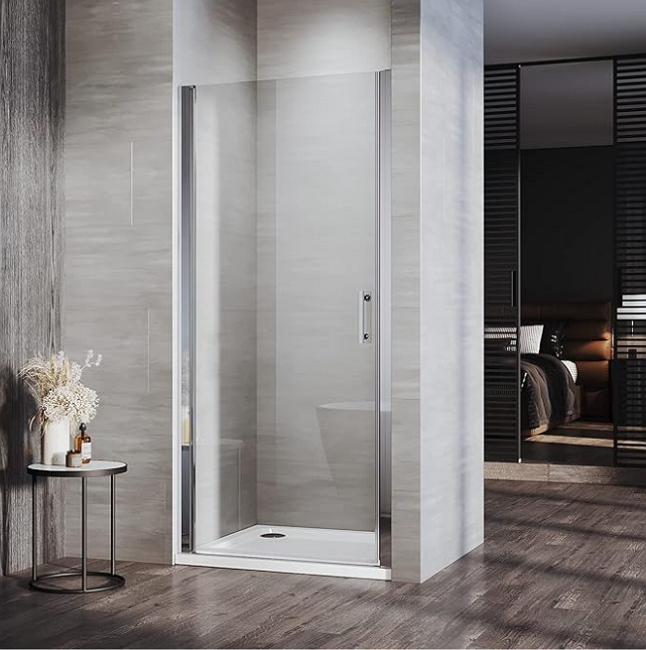
Picture this: You're finally renovating your UK bathroom. The tiles are chosen, the fittings are picked, but now you're faced with a crucial design decision that will define the entire space—should you choose a framed fluted shower screen or a frameless fluted shower screen? This is the dilemma countless British homeowners are wrestling with in 2025, as fluted glass continues its meteoric rise as the must-have bathroom trend .
The unique appeal of reeded glass lies in its ability to deliver both privacy and style. Those distinctive vertical grooves create an Art Deco-inspired aesthetic while diffusing light beautifully and obscuring the view—perfect for busy family bathrooms . But the real decision begins when you consider the frame: do you opt for the structured definition of a framed fluted screen, or the seamless elegance of a frameless fluted screen?
This comprehensive guide will walk you through every aspect of these two popular options, comparing aesthetics, costs, maintenance requirements, and installation considerations. By the end, you'll know exactly which fluted shower enclosure suits your space, budget, and lifestyle.
What Are Framed and Frameless Fluted Shower Screens?
Before diving into comparisons, it's essential to understand exactly what we're discussing. Both options feature that gorgeous textured glass, but their construction differs fundamentally.
What is "Fluted" Glass? (The Key Differentiator)
Fluted glass—also called reeded glass or ribbed glass—features distinctive vertical grooves that run the length of the panel . This texture serves multiple purposes:
-
Privacy: The grooves distort the image, making it difficult to see clear outlines while still allowing light to pass through
-
Light diffusion: Sunlight filters through the ridges, creating beautiful rippling effects and maintaining brightness
-
Low maintenance: The textured surface cleverly disguises water spots and smudges—a massive advantage in UK hard water areas
-
Design versatility: The look suits both contemporary bathrooms and Art Deco-inspired schemes
As one UK supplier notes, fluted glass offers "privacy levels" that help homeowners decide how much seclusion their bathroom actually needs .
What is Framed Fluted Shower Screen
A framed fluted shower screen features glass panels—typically 4-6mm thick—encased within a visible metal frame, usually aluminium or chrome-plated steel . This frame runs around all edges of the glass, providing robust structural support and creating a defined, geometric appearance .
The frame isn't merely functional; it's a design statement. Available finishes like Chrome, Matte Black, and Brushed Brass allow you to coordinate with your taps and towel rails . The Luxura Square Framed Fluted Bath Screen, for instance, showcases how a chrome frame can elegantly outline the fluted glass, creating a timeless geometric look that suits both contemporary and traditional settings .
Because the frame shoulders much of the structural work, framed screens can use thinner glass while maintaining durability. This makes them lighter and more forgiving during installation .
What is Frameless Fluted Shower Screen
Frameless fluted shower screens represent the pinnacle of minimalist design. They ditch the bulky outline entirely, relying instead on thick toughened safety glass—typically 8mm to 12mm—supported only by discreet clamps, hinges, and near-invisible seals .
The result is a stunning "all-glass" effect where the fluted glass texture takes centre stage without visual interruption. The Diamond Fluted Walk In Shower Screen exemplifies this approach, using 8mm thermally toughened glass held in place by minimalist wall channels and a single support bar .
This design creates that sought-after spa-like atmosphere, maximising light and open sightlines . The glass itself must provide all the structural stability, which explains why frameless screens use significantly thicker panels .
Head-to-Head Comparison: Framed vs. Frameless Fluted Screens
When it comes to selecting the perfect fluted shower screen for your UK bathroom, understanding the nuanced differences between framed and frameless options is essential. This comprehensive comparison examines every critical factor that should influence your decision, from visual impact through to long-term durability and maintenance requirements.
| Comparison Factor | Framed Fluted Screens | Frameless Fluted Screens |
|---|---|---|
| Aesthetics & Design Impact | - Creates defined architecture with visible boundaries - Frame becomes design feature; finishes include Polished Chrome, Matte Black, Brushed Brass, Aged Bronze - Slim or chunky profile options available - Suits Art Deco, industrial, and traditional schemes - Defines shower as separate zone | - Minimalist "all-glass" appearance - No visual interruption; fluted glass texture takes centre stage - Creates visual expansion, making bathrooms feel larger - Ideal for compact UK bathrooms and city flats - Showcases high-end tile installations fully |
| Cost & Budget (UK 2026) | - Price range: £150 – £400 - Thinner glass (5-6mm) reduces manufacturing costs - Example: Luxura Framed Fluted Bath Screen ~ £100 - Example: Arezzo Fluted Bath Screen package ~ £360 - DIY installation feasible, saving £150-£250 fitting fees | - Price range: £500 – £1,500+ (bespoke exceeds £3,000) - Thicker glass (8-12mm) increases manufacturing cost - Premium hinges and hardware add expense - Example: Diamond Fluted Walk In Screen ~ £400 (screen only) - Professional installation adds £300-£600 |
| Installation & Complexity | - DIY-friendly; installs in 2-3 hours with basic tools - Adjustable frames accommodate uneven walls - Lightweight panels (15-20kg) suitable for solo handling - Forgiving of imperfect wall conditions - Frame conceals minor alignment issues | - Requires professional installation only - Needs perfectly plumb walls; laser level measurement essential - Heavy panels (65-70kg) require two-person handling - 2-3 week timeline: survey, design, manufacture, install - No tolerance for wall deviation; pre-installation preparation often needed |
| Maintenance & Cleaning | - Frame crevices trap soap scum, mould, and limescale - Rubber seals require regular cleaning and replacement every 3-5 years - Polished chrome shows water spots; matte black shows fingerprints - Frame requires diligent cleaning routine | - Minimal hardware means fewer places for grime - Quick daily wipe or squeegee maintains appearance - Many feature easy-clean coatings repelling water and reducing limescale - Fluted texture disguises minor water spotting - Cleaning frequency reduced by up to 70% |
| Water Containment | - Redundant sealing systems provide "defence in depth" - Multiple seals: compression, water bar, magnetic/friction - Raised bottom profiles act as mini dams - Tolerant of seal degradation; remaining seals maintain protection - Frame geometry aids containment | - Relies on precision rather than redundancy - Minimal seals require perfect installation - Bottom seal simple silicone strip; door sag compromises it - Wall junctions depend on visible silicone beads - Any seal breach requires immediate repair |
| Longevity & Durability | - Typical lifespan: 5-10 years - Frame finishes may pit, fade, or scratch over time - Seals require replacement every 3-5 years (£10-£20) - Easier and cheaper to repair; standard parts available - Hinges and catches may wear faster | - Typical lifespan: 15-20+ years - Glass never deteriorates (assuming no impact damage) - Premium hinges carry 20-year guarantees - Stainless steel construction resists corrosion - Fewer seals means fewer wear points - Repairs more challenging but rarely needed |
| Property Value Impact | - Safe, practical choice for broad demographics - Appeals to family buyers and landlords - Rarely featured as selling point in listings - Suitable for buy-to-let without overcapitalising - Expected element; noticed only if absent | - Genuinely influences buyer perception - Creates positive first impression; justifies higher asking prices - Features prominently in property listings ("luxury bathroom with designer fluted glass") - Photographs beautifully for marketing - Signals quality throughout property - Timeless appeal remains attractive to subsequent owners |
Decision Guide: Which Fluted Shower Screen is Right for You?
After exploring the technical specifications, cost implications, and maintenance requirements of both framed and frameless fluted shower screens, you might still find yourself torn between these two compelling options. This comprehensive decision guide breaks down every conceivable scenario, preference, and constraint to help you make the choice that perfectly aligns with your specific situation.
The right decision isn't about which option is objectively "better"—it's about which option better serves your unique bathroom, lifestyle, and aspirations.
When to Choose a Framed Fluted Screen
Choose framed if:
-
Budget is your priority: You're renovating on a tight budget and need to maximise value
-
Your walls are uneven: You live in an older UK property with walls that aren't perfectly plumb
-
You want defined style: You love the look of a geometric, industrial, or Crittall-style frame as a design feature
-
DIY installation appeals: You're a competent DIYer wanting to install the screen yourself
-
Rental property: You're updating a rental where durability matters more than luxury
One reviewer perfectly captured the appeal: "This product has been an excellent addition to our bathroom and makes a big improvement over a shower curtain. The product was very easy to put together and install" .
When to Choose a Frameless Fluted Screen
Choose frameless if:
-
Luxury is your goal: You want that high-end, hotel-style elegance
-
Space is limited: You need to make a compact bathroom feel larger and more open
-
Low maintenance matters: You prefer easy cleaning without scrubbing frame crevices
-
Budget allows: You're willing to invest £500+ for premium aesthetics
-
Professional installation: You'll hire qualified tradespeople for a flawless finish
-
Wet room creation: You're designing a walk-in shower or wet room
As one guide summarises, frameless screens "embody the kind of sophisticated, hotel-style elegance many homeowners desire" .
The Middle Ground: Semi-Frameless Fluted Screens
Don't overlook the compromise option. A semi-frameless fluted screen combines elements of both styles—perhaps a frame around the outer panel but a frameless door, or minimal framing around just the edges .
This approach offers a cleaner look than fully framed, costs less than true frameless, and suits style-conscious homeowners who want modern aesthetics without the premium price tag .
UK Buying Guide: What to Look For in 2026
As we navigate through 2026, the UK bathroom market continues to evolve with exciting innovations in materials, finishes, and glass technology. Whether you've decided on a framed fluted screen, a frameless fluted screen, or the middle-ground semi-frameless option, understanding exactly what to look for when making your purchase is essential for a successful investment. This comprehensive buying guide covers everything from 2026 pricing and glass specifications to the latest design trends and practical procurement considerations.
Glass Quality and Safety Standards
UK regulations mandate toughened safety glass for all shower enclosures. Look for certification to:
-
BS EN 12150: The standard for thermally toughened soda lime silicate safety glass
-
BS EN 14428: Specific to shower enclosures
Framed screens typically use 4-6mm glass . Frameless screens require 8mm, 10mm, or even 12mm thickness for structural integrity .
The reassuring "heft" of thick glass signals quality—you'll notice the difference when opening and closing a frameless door .
Hardware and Finishes
Don't overlook the metalwork. Cheap zinc alloys or low-grade chrome plating may corrode quickly in humid bathrooms . Instead, seek:
-
Stainless steel: Ideal for coastal areas where salty air accelerates corrosion
-
High-quality anodised aluminium: Durable and lightweight
-
Brass: Premium option for traditional schemes
Popular 2025 finishes include Matte Black, Brushed Gold/Brass, Brushed Nickel, and classic Polished Chrome . Choose finishes that coordinate with your taps and towel rails for a cohesive look.
Measurements and Customisation
Measure correctly—preferably after tiling is complete, as tile thickness can alter dimensions by up to 10mm .
For standard UK bathroom layouts:
-
Sliding doors: Suit smaller spaces where swing clearance is limited
-
Pivot or hinged doors: Offer luxury feel but need clearance space
-
Walk-in screens: Perfect for wet rooms and accessible showers
Bespoke frameless screens accommodate quirky layouts, awkward alcoves, or loft conversions where standard sizes won't fit .
Conclusion
The choice between a framed fluted shower screen and a frameless fluted shower screen ultimately comes down to your priorities—budget, style, maintenance expectations, and installation preferences.
Framed fluted screens deliver structure, affordability, and classic appeal. They're forgiving to install, kind to wallets, and available in finishes that coordinate with traditional bathroom schemes. For rental properties, family bathrooms, or DIY installations, they remain the practical choice .
Frameless fluted screens represent the pinnacle of modern bathroom design. They create spaciousness, demand minimal maintenance, and deliver that coveted spa aesthetic. For homeowners willing to invest in quality and professional installation, the reward is a stunning, timeless shower space that maximises light and minimises visual clutter .
Ready to Explore More Fluted Shower Screen Ideas?
Your perfect fluted shower screen is waiting to be discovered. For even more inspiration, expert advice, and access to an extensive range of framed, frameless, and semi-frameless fluted screens in all the latest 2026 finishes—including matte black, brushed brass, and gunmetal—visit Elegant Showers today.
At https://www.elegantshowers.co.uk/ , you'll find:
-
Comprehensive collections of fluted glass shower screens for every bathroom style
-
Expert guidance on choosing the right configuration for your space
-
Premium hardware finishes that coordinate with your existing fixtures
-
Professional installation services across the UK
-
Latest 2026 trends and innovations in fluted glass design
Transform your bathroom with the timeless elegance of fluted glass. Browse the collection today and take the next step toward the bathroom of your dreams.
Frequently Asked Questions (FAQs)
Q: Are fluted shower screens hard to keep clean?
A: Not at all. While the grooves might look like they'd trap dirt, the textured surface actually disguises water spots and smudges effectively . Frameless fluted screens are particularly low-maintenance as they have no frame crevices where mould and limescale can accumulate . Many models now include easy-clean coatings that repel water and reduce cleaning frequency .
Q: Do fluted shower screens provide enough privacy?
A: Yes, absolutely. Privacy is one of the main benefits of fluted glass. The vertical grooves distort the image, making it difficult to see clear outlines while still allowing light to pass through . This makes them ideal for family bathrooms where modesty matters but brightness is desired. UK suppliers often rate privacy levels to help homeowners choose appropriately .
Q: What is the price difference between framed and frameless fluted screens in the UK?
A: The gap is significant. Framed fluted screens are the budget-friendly option, typically ranging from £150 to £400 . Examples include the Luxura framed screen at approximately £100 . Frameless fluted screens command a premium, generally starting at £500 and exceeding £1500 for larger or bespoke installations . Specialist bespoke designs can cost several thousand pounds .
Q: Can I install a frameless fluted shower screen myself?
A: Professional installation is strongly recommended. Frameless glass is heavy (8-12mm thick) and requires perfectly plumb walls, precise measurements, and expert sealing to ensure safety and water tightness . Improper installation risks leaks, glass stress, and safety issues . Framed screens, however, are more DIY-friendly thanks to adjustable frames and lighter weight .
Q: Is fluted glass suitable for a wet room?
A: Absolutely. Fluted glass wet room screens are increasingly popular in UK homes . They provide essential splash protection while maintaining that sleek, minimalist aesthetic. The Diamond Fluted Wet Room Screen demonstrates how a single frameless panel can define a wet room area without enclosing it . Look for 8mm or 10mm toughened glass with easy-clean coating for best results.
Q: How does fluted glass compare to frosted glass for privacy?
A: Fluted glass offers a more design-led approach to privacy than standard frosted glass. While both obscure visibility, reeded glass creates attractive light patterns and adds architectural texture . Frosted glass can look dated by comparison, whereas fluted glass feels contemporary and purposeful. As one source notes, "treating your privacy glass as an element of design" elevates the entire bathroom .



Validate your login