

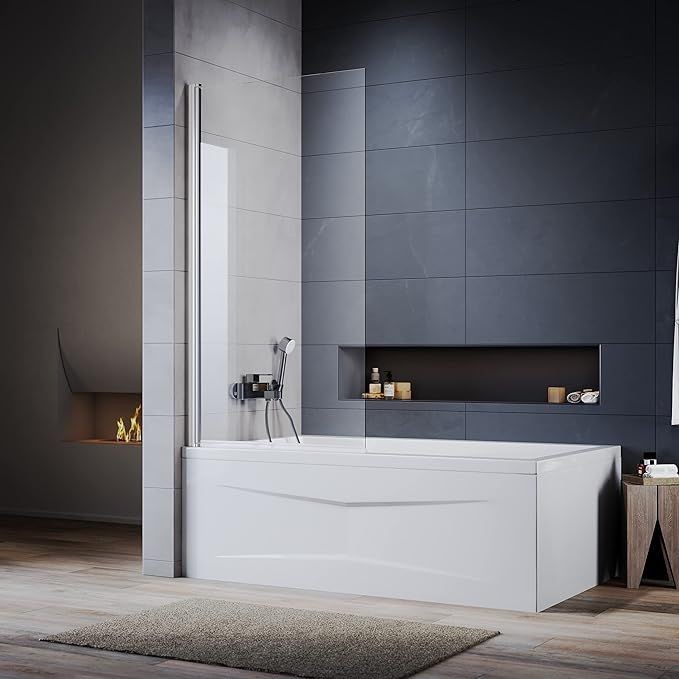
When planning a bathroom renovation or update in a British home, one of the most significant decisions you'll face is how to enclose your shower space. The choice between a shower screen and a shower door is more than just aesthetic; it impacts your daily routine, maintenance, and the overall feel of your UK bathroom. With unique challenges such as often compact spaces, hard water areas, and the need for effective bathroom ventilation, making the right decision is crucial.
This comprehensive UK buyer's guide is designed to cut through the confusion. We’ll provide a detailed shower screen vs shower door comparison, weighing up all factors from space saving and water containment to style and long-term care. Whether you’re installing a walk-in shower, updating an over bath shower, or designing a full wet room, this guide will help you, the British homeowner, renovator, or landlord, make the perfect, informed choice for your project.
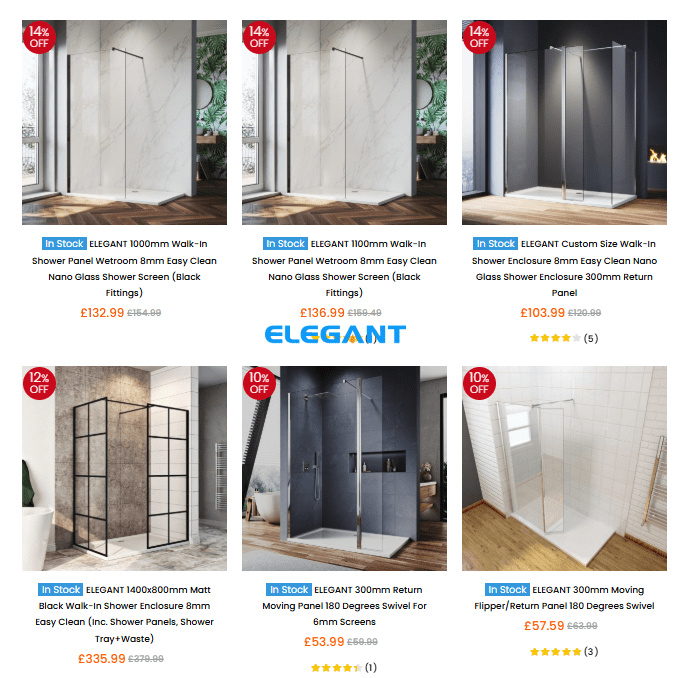
What is a Shower Screen?
A shower screen is typically a fixed panel of toughened glass that acts as a barrier against water splash. It does not have a moving door for entry. Instead, it partially encloses an area, leaving an open entryway. Common configurations in UK bathrooms include:
-
Single Fixed Panel: One straight panel shielding a shower tray or bath.
-
Twin Fixed Panel (L-Shape): Two panels meeting at a corner, perfect for quadrant shower trays.
-
Walk-In Shower Screen: Often features a fixed panel and a shorter return panel, creating a defined but open entrance for a walk-in shower or wet room.
-
Bath Screen: A specific type designed to fit along the side of a bathtub, creating a bath shower combo.

What is a Shower Door?
A shower door is a movable enclosure that provides full access to the showering area. It consists of one or more panels that open and close via hinges, sliders, or pivots. Common shower door types include:
-
Pivot Shower Door: A single door that swings open on hinges, either inward or outward.
-
Sliding/Bypass Shower Door: Two or more panels that glide side-to-side on tracks, ideal for tight spaces.
-
Bi-Fold Shower Door: Panels that fold inwards, requiring minimal clearance.
-
Quadrant/Corner Shower Door: Designed for corner shower trays, often with a curved track.
Head-to-Head Comparison: Shower Screen vs Shower Door
Let’s break down the key decision factors in a direct shower enclosure showdown.
-
Space Saving & Layout:
-
Shower Screen: Generally superior for creating a sense of space. Walk-in shower screens maintain an open, airy feel and are perfect for small UK bathrooms where every inch counts. They don’t require swing clearance.
-
Shower Door: Sliding shower doors or bi-fold shower doors are the best space-saving options amongst enclosed units, as they don’t swing out. However, pivot doors require outward or inward clearance, which can disrupt a compact layout.
-
-
Water Containment:
-
Shower Screen: The main drawback. Water will inevitably escape from the open side, making a bathroom shower mat or effective wet room drainage essential. Not ideal for bathrooms with sensitive flooring.
-
Shower Door: The clear winner for water containment. A fully enclosed shower cubicle keeps splash and steam contained within the shower tray, protecting your bathroom floor and reducing slip hazards.
-
-
Ventilation & Steam Control:
-
Shower Screen: Promotes better air circulation, helping to reduce condensation and prevent mould build-up on the enclosure itself—a significant advantage in often poorly-ventilated UK bathrooms.
-
Shower Door: Can trap steam, leading to more condensation on bathroom walls and mirrors. A powerful bathroom ventilation extractor fan is non-negotiable.
-
-
Ease of Access & Safety:
-
Shower Screen: Offers barrier-free access, excellent for walk-in showers and future-proofing for less mobile users. No tracks to step over.
-
Shower Door: Can present a threshold to step over. Sliding doors have tracks that may collect grime. Hinged doors can be a hazard in very tight spaces.
-
-
Aesthetic & Style Impact:
-
Shower Screen: Delivers a modern, minimalist, and luxurious look. Frameless shower screens are particularly sought-after for creating a seamless, high-end bathroom design.
-
Shower Door: Offers a neater, more traditional enclosed look. Frameless shower doors also provide a contemporary feel but with a defined cubicle appearance.
-
-
Installation & Complexity:
-
Shower Screen: Often simpler to install as they are fixed structures with no moving parts. Many bath screen kits are marketed as DIY shower installation friendly.
-
Shower Door: Can be more complex due to tracks, hinges, and seals that require precise alignment to prevent leaks. Often benefits from a professional fitter.
-
Choosing a Shower Screen for Your UK Bathroom
Types of Shower Screens:
-
Fixed Panel Shower Screen: The simplest form, a single sheet of glass.
-
Walk-In Shower Screen: Creates a defined open entry, the hallmark of a modern wet room.
-
Bath Screen: Specifically angled and sized to fit standard UK baths.
-
Frameless vs. Framed Shower Screens: Frameless models use thicker glass (usually 8-10mm) and minimal hardware for a sleek look. Framed screens are more affordable and can offer a sense of solidity.
Pros and Cons of Shower Screens:
-
Advantages: Creates an open, spacious feel; modern aesthetic; often easier to clean with fewer nooks; excellent for wet rooms and contemporary bathroom renovations.
-
Disadvantages: Poor water containment; can feel less private and draughty; may not suit all bathroom layouts, especially where the shower is close to a door or toilet.
Ideal UK Bathroom for a Shower Screen:
Perfect for modern or refurbished properties where a walk-in shower is desired, for bath-shower combos, in ensuite bathrooms where space is premium, and in any design where a light, open-plan feel is the priority.
Choosing a Shower Door for Your UK Bathroom
Types of Shower Doors:
-
Pivot Shower Doors: Classic and sturdy, offering a wide entrance.
-
Sliding/Bypass Shower Doors: The ultimate space-saving door for small bathrooms, as no swing space is needed.
-
Bi-Fold Shower Doors: Compromise space even further, ideal for very tight spots.
-
Quadrant/Corner Shower Doors: Designed to fit precisely onto curved corner shower trays.
Pros and Cons of Shower Doors:
-
Advantages: Superior water containment and heat retention; increased privacy; wide variety to suit different shower tray shapes; can make a showering experience feel cosier.
-
Disadvantages: Can visually shrink a small bathroom; tracks and seals require regular cleaning to prevent mould; generally higher cost, especially for frameless variants.
Ideal UK Bathroom for a Shower Door:
The best choice for traditional family bathrooms where keeping water off the floor is paramount, for small bathroom layouts where a sliding door is the only practical option, and for anyone who prefers the fully enclosed feeling of a dedicated shower cabin.
Conclusion: Making Your Final Decision
The choice between a shower screen and a shower door ultimately hinges on your personal priorities for your UK bathroom. If your goal is a spacious, modern, and open wet room feel with easy access, the shower screen is your champion. If your priority is containing water and steam within a cosy, private shower cubicle, particularly in a compact or family-focused bathroom, then the shower door is the reliable choice.
Still unsure which solution is perfect for your specific space? Explore an extensive, curated collection of premium shower screens and shower doors designed for the UK home at Elegant Showers. Our experts provide professional consultation to help you navigate your options, from space-saving sliding doors to stunning frameless walk-in screens. Visit us today and transform your bathroom with confidence.
FAQs: Your Shower Screen and Shower Door Questions Answered
Are shower screens easier to clean than shower doors?
Generally, yes. Shower screens have fewer moving parts, no tracks, and often fewer seals. A frameless shower screen is the easiest of all, as you can wipe the entire flat surface down quickly.
What is the most space-saving option for a small UK bathroom?
For maximum space efficiency, a walk-in shower screen will make the room feel largest. If full containment is needed, a sliding shower door or bi-fold shower door is the best space-saving enclosed option.
Can you fit a shower door over a bath?
Yes. A dedicated bath screen is designed for this. While a full shower door can be fitted, it’s less common. A bath screen provides adequate splash protection and is easier to move when bathing.
What type of glass is best for privacy in a bathroom?
Frosted glass, obscured glass, or patterned glass shower screens are ideal. They diffuse light and visuals while still brightening the space. You can also opt for privacy film on clear glass.
How do I stop my shower screen or door from getting limescale?
The trifecta is: 1) Install an easy-clean coating from new. 2) Use a squeegee religiously after every shower. 3) Clean regularly with a mild acid-based cleaner (like vinegar) before limescale builds up.
Do I need a shower tray for a shower screen?
Not necessarily. Shower screens are integral to wet room designs where the floor is fully tanked and has a linear drain. For a standard setup, a shower tray or bathtub is typical.
What is the standard thickness for shower glass in the UK?
For frameless shower screens and doors, 8mm and 10mm toughened glass are standard for stability. For simpler framed enclosures, 6mm glass is still common. Thicker glass feels more premium and solid.



Validate your login