

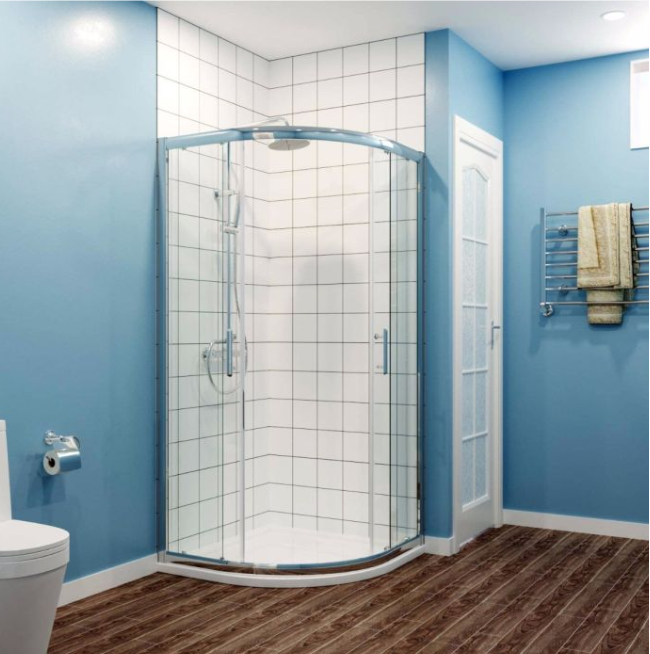
Navigating a bathroom renovation in a typical UK home often means confronting a familiar foe: limited square footage. From the charming but compact bathrooms of Victorian terraces to the thoughtfully designed yet space-conscious en-suites in modern flats, the challenge remains consistent—how to incorporate a fully functional, stylish shower without overwhelming the room. The shower choice becomes the pivotal decision, dramatically impacting the space's feel, functionality, and flow. For homeowners and renovators across the United Kingdom, the debate frequently narrows down to three popular solutions: the space-hugging Quadrant shower, the versatile Square shower enclosure, and the sleek, open Walk-in shower. Each promises a blend of efficiency and style, but which truly reigns supreme for your compact bathroom? This article delivers a direct, detailed comparison grounded in the realities of UK bathroom design, analysing each option through the critical lenses of space efficiency, aesthetics, and cost. By the end, you’ll have a clear blueprint for selecting the ideal shower for a small bathroom that meets your practical needs and design aspirations.
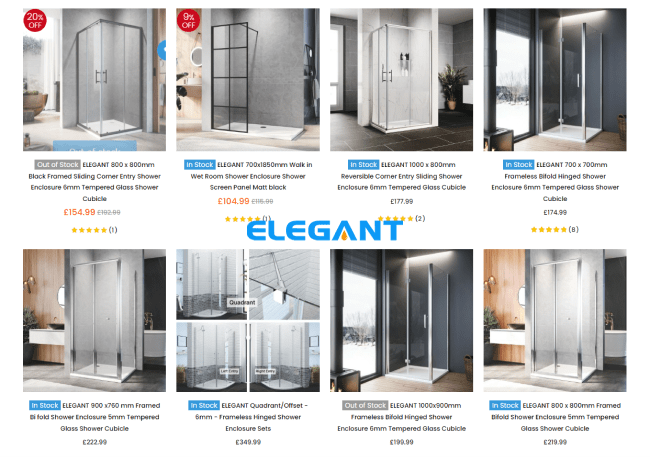
Key Measurements and UK Building Regulations for Small Bathrooms
Before falling in love with a shower style, you must become intimately familiar with your bathroom’s dimensions and the rules that govern them. The classic small UK bathroom often measures around 1.8m x 1.8m or less, with every centimetre counting. Start by mapping the room, noting the fixed positions of the waste pipe, soil stack, and door swing, as relocating plumbing can escalate costs significantly. Consider your water pressure and system type (a combi boiler versus a gravity-fed system), as this will influence your choice of shower (thermostatic mixer or electric). Furthermore, while a full wet room offers level-access luxury, it requires comprehensive tanking (waterproofing) of walls and floors to comply with UK building regulations—a complex task in a small space. Even a standard shower enclosure must be installed with proper sealing and ventilation to prevent damp, a common issue in tight, poorly ventilated British bathrooms.
The Space, Style, Budget Trinity
Every decision for your bathroom renovation balances on a triple-axis: how it uses space, how it looks, and what it costs. Space efficiency isn’t just about the physical footprint of the shower tray; it’s about how the enclosure shape and door swing interact with other fixtures. Aesthetics encompass the shower’s ability to make your compact bathroom feel larger, brighter, and aligned with your desired style—be it minimalist modern or classic contemporary. Finally, cost is the undeniable factor, encompassing not just the unit price but installation complexity and long-term value. Your perfect small bathroom shower finds the optimal point where these three pillars intersect.
The Quadrant Shower Enclosure: The Classic Space-Saver
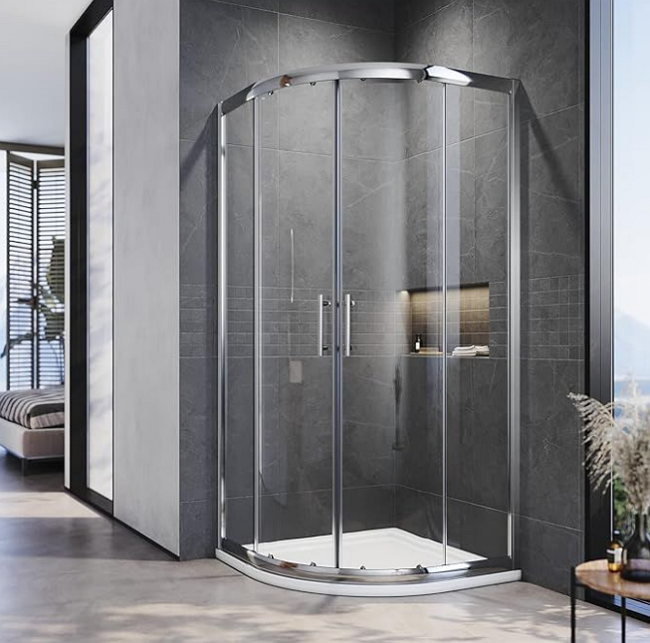
When space is at a premium, the quadrant shower enclosure emerges as a time-tested hero. This clever corner-fitting design has earned its reputation as the classic space-saver, offering a streamlined and efficient showering solution specifically engineered to conquer the tightest of UK bathrooms.
What is a Quadrant Shower?
The quadrant shower enclosure is the quintessential corner shower solution. Characterised by its curved or angled front, it is designed to slot neatly into a bathroom corner, utilising what is often dead space. You’ll encounter two main types: the true quadrant, with a perfect quarter-circle curve, and the offset quadrant (or ‘D-shaped’ enclosure), which has a flatter back and provides more internal room—a boon for the truly compact bathroom.
Space Efficiency Analysis
For sheer space-saving prowess, the quadrant is a champion. By tucking into a corner, its footprint is minimised, freeing up central floor area for other essentials. Standard UK sizes like 760x760mm or 800x800mm are engineered to fit the tightest spaces. However, its curved pivot door requires clear outward swing space, which can clash with a nearby toilet or basin.
Pros: Exceptional use of corner space, clearly defined wet area, and typically better water containment than walk-ins.
Cons: The curved interior can feel more confined than a square of similar dimensions, and the door swing must be carefully planned.
Aesthetics and Design
Gone are the days of bulky, framed quadrants feeling dated. Modern iterations, particularly semi-frameless or fully frameless quadrant showers, offer a clean, contemporary look. The curved profile softens the geometry of a boxy room, adding a fluid visual element. While inherently modern, it can blend into various decors, especially with minimalist chrome fittings and clear glass.
Cost Breakdown
In the realm of enclosed showers, the quadrant often represents the most cost-effective entry point. A good quality, framed quadrant kit (enclosure and tray) can be found readily at DIY chains and bathroom suppliers, with installation being relatively straightforward for a competent fitter. It provides a contained shower solution without the premium price tag of bespoke glass, making it a strong budget bathroom choice for space-saving.
The Square/Rectangular Shower Enclosure: The Flexible Workhorse
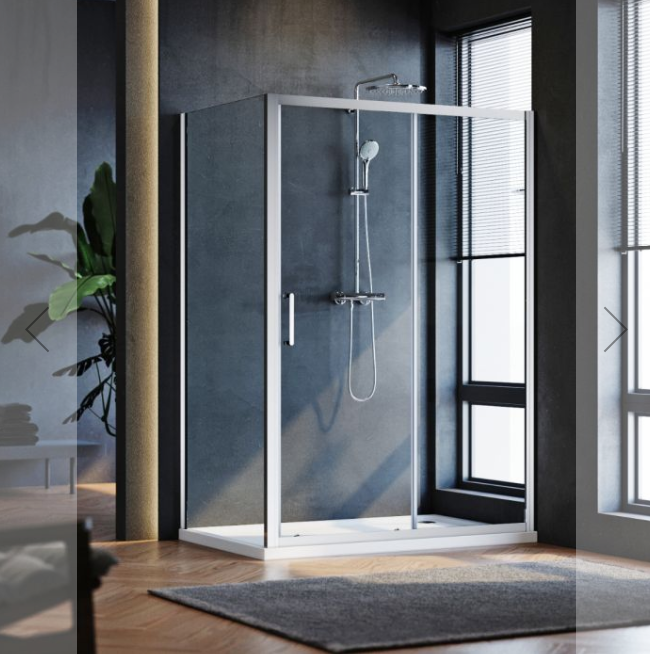
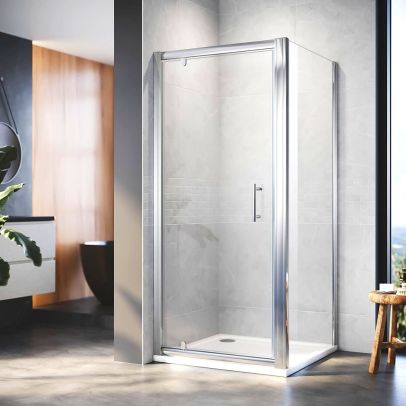
For those seeking the ultimate blend of practicality and style, the square or rectangular shower enclosure stands as the versatile champion of the bathroom. Defined by its clean right-angles and adaptable nature, this design is the reliable workhorse, capable of delivering an efficient and stylish showering experience in almost any small bathroom layout.
What is a Square Shower Enclosure?
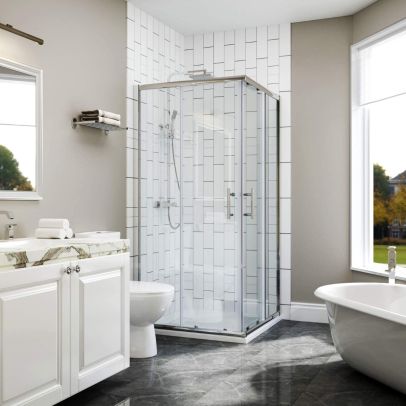
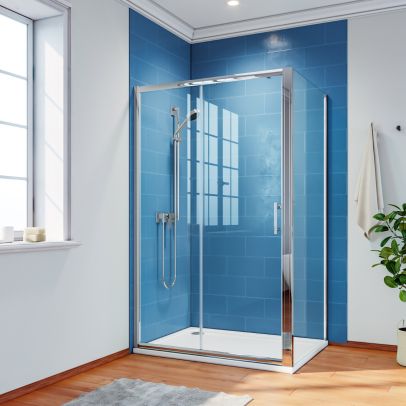
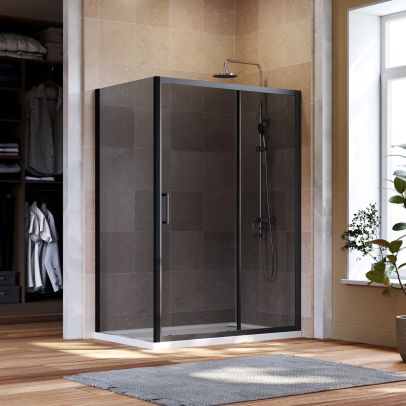
The square or rectangular shower enclosure is the versatile stalwart of the bathroom world. Defined by its right-angles, it can be installed as a corner-fitting unit or positioned along a wall (back-to-wall or alcove shower). This flexibility makes it a formidable contender for awkward layouts.
Space Efficiency Analysis
The strength of the square shower cubicle lies in its predictable geometry and layout options. In a corner, its straight lines can sometimes utilise space more efficiently than a quadrant’s curve, depending on the room’s shape. Crucially, it offers sliding doors—a game-changer for the tightest spaces where a pivot door would be impossible. A 900x900mm square shower with a sliding door often feels more spacious and accessible than a similarly sized quadrant.
Pros: Excellent internal space usability, multiple door options (pivot, sliding, bi-fold), and widely available in myriad sizes.
Cons: Sharp corners can be a hazard in a very cramped room, and a bulky frame can visually weigh down the space if not chosen carefully.
Aesthetics and Design
The square enclosure epitomises clean, linear contemporary bathroom style. A frameless square shower with thin glass clamps and a low-profile tray delivers a high-end, minimalist look that helps a small room feel ordered and sleek. The straight lines can create a harmonious geometry when aligned with wall tiles, basin edges, and other fixtures, promoting a sense of calm and intentionality.
Cost Breakdown
The square shower market offers the widest spectrum, from very affordable framed kits to luxurious, bespoke frameless designs. This makes it a brilliant value proposition; you can find a solution for almost any budget. The standardisation of parts also means repairs and replacements are typically easier to source. For a balance of affordability, style, and function, it’s a consistently strong performer.
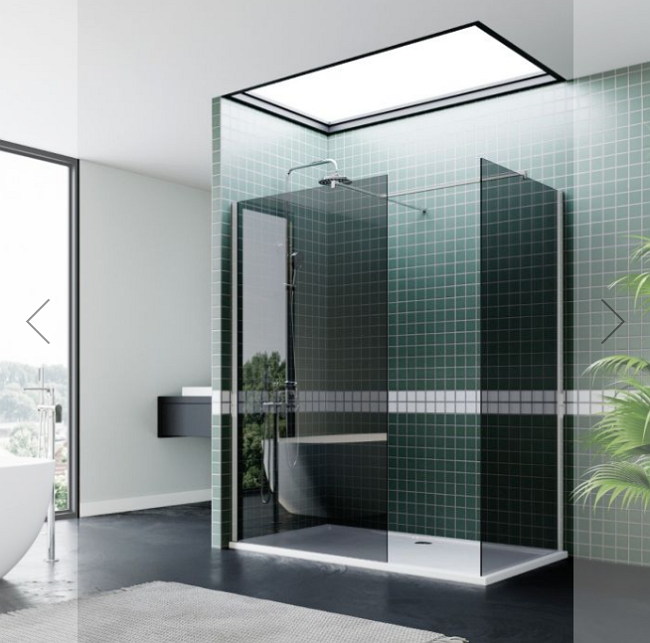
The Walk-In Shower: The Modern, Open-Plan Illusion
Step into the future of bathroom design with the walk-in shower, a style defined by seamless, barrier-free elegance. More than just a practical fixture, it is a masterful illusionist, using minimal frameworks and open sightlines to create a profound sense of space and light. This approach transforms even the most compact bathroom into a feeling, modern sanctuary, offering a spa-like sanctuary that stands as the pinnacle of contemporary renovation.
What is a Walk-In Shower?
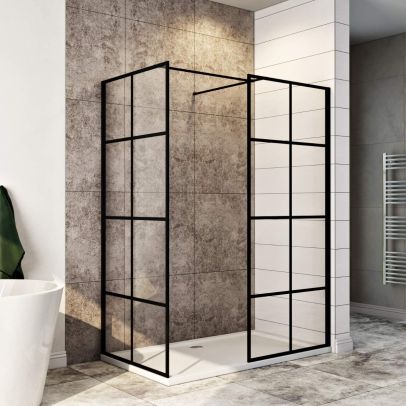
A walk-in shower enclosure is defined by its barrier-free access, typically featuring one or two fixed shower screens and an open entry. It’s crucial to distinguish it from a full wet room; while a wet room has a fully tanked, level-access floor, a walk-in usually employs a low-profile tray or a gently sloped floor beneath the screen. This distinction is vital for cost and complexity in a UK bathroom.
Space Efficiency Analysis
The walk-in shower’s primary advantage is psychological: it creates a powerful illusion of space. By eliminating the visual clutter of frames and a closing door, it opens sightlines, making the entire bathroom feel larger and more airy. Practically, however, it requires careful planning. A single long glass panel is often needed to contain splash, which can dictate room layout. While it feels open, the floor area it occupies is not necessarily smaller than an enclosure.
Pros: Unbeatable on creating a spacious, accessible, and luxurious feel. Excellent for future-proofing.
Cons: Can be draughtier, requires meticulous installation and tiling to prevent leaks, and splash can escape more easily if not designed correctly.
Aesthetics and Design
This is where the walk-in shower shines. It is the hallmark of a modern, spa-like bathroom. The seamless look, often with large-format tiles running continuously from floor to wall, speaks of premium design. It maximises light transfer, making even a windowless bathroom feel less enclosed. For a small bathroom aiming for a high-end, contemporary renovation, it is the aesthetic gold standard.
Cost Breakdown
Prepare for a higher investment. Costs escalate due to the need for large, often toughened, glass screens, precision installation, and potentially tanking if aiming for near-level access. The shower tray or former for a walk-in is also specialised. While it adds significant perceived value to your home, the initial outlay is firmly in the mid to high-end range, making it less of a budget bathroom option.
Head-to-Head Comparison: Quadrant vs. Square vs. Walk-In
| Criteria | Quadrant Shower | Square/Rectangular Shower | Walk-In Shower |
|---|---|---|---|
| Best for Space-Saving | Excellent in tight corners. | Excellent with sliding doors; flexible. | Good (creates illusion, but footprint may be similar). |
| Best for Aesthetics | Modern, space-efficient look. | Clean, linear, contemporary. | High-end, spacious, seamless. |
| Best for Budget | Most cost-effective enclosed solution. | Wide range; great value for money. | Highest cost (materials & installation). |
| Installation Complexity | Moderate. | Moderate (sliding doors can be trickier). | High (requires precise levelling/tanking). |
| Water Containment | Very good. | Very good. | Fair (requires careful screen placement). |
| Accessibility | Fair (door threshold). | Good (especially with low tray & slider). | Excellent (barrier-free). |
| Feel of Space | Can feel confined internally. | Predictable, efficient internal space. | Excellent open feel. |
Decision-Making Guide: How to Choose Your Perfect Small Bathroom Shower Enclosure
Navigating the final choice between a quadrant, square, and walk-in shower requires moving from theory to your specific reality. This guide translates the comparisons into actionable advice, helping you match your unique bathroom’s dimensions, your daily routine, and your budget to the ideal shower type. Think of it as a diagnostic tool: by answering a few key questions about your priorities, the right path will become clear.
Choose a Quadrant Shower If…
Your primary mission is maximising every millimetre of floor space in a genuinely tiny or narrow room. The quadrant is your best ally when the shower must be relegated to a specific corner, and there’s simply no room for door swing interference. It’s the classic solution for:
-
The "Pod" En-Suite: Typical in modern new-builds, where the bathroom is essentially a pre-fabricated corner of the bedroom.
-
The Long, Narrow Bathroom: Where placing a shower on one wall would block the pathway; tucking it into the end corner preserves the corridor.
-
Strict Budget Constraints: When you need a complete, reliable, and water-tight enclosed shower solution at the most cost-effective point of entry.
-
Minimalist Aesthetic (on a budget): Opt for a semi-frameless quadrant with clear glass to achieve a clean, contemporary look without the walk-in price tag.
Key Question to Ask: "Is my only viable shower location in a corner, and is the area directly outside that corner needed for access to other fixtures?"
Choose a Square/Rectangular Shower Enclosure If…
You value versatility and proven performance above all. The square enclosure is the adaptable workhorse that suits a wider range of layouts and user needs. It’s the intelligent, balanced choice for:
-
Awkward or Alcove Spaces: If you have a niche or an indent between two walls (common where a boiler cupboard is), a rectangular alcove shower with a sliding door is a made-to-measure solution.
-
Households Needing Practicality: Where ease of cleaning, robust water containment, and straightforward installation are prized.
-
Future-Proof Flexibility: You want a stylish shower now but appreciate that a square shower with a low-profile tray and wide entrance can offer good accessibility later.
-
Design Cohesion: You prefer a bathroom defined by clean, right-angled lines and want the shower to harmonise geometrically with wall tiles, vanity units, and mirrors.
Key Question to Ask: "Does my bathroom layout allow for a shower along a wall, or do I need the flexibility of a sliding door to save space?"
Choose a Walk-In Shower If…
Your goal is to prioritise perceptual space and a luxury aesthetic, and you have the means to execute it properly. A walk-in is an investment in the feel and future value of your bathroom. It’s the definitive choice for:
-
Creating a "Wow" Factor: You want a modern, high-end, spa-like atmosphere and are willing to allocate more of your renovation budget to achieve it.
-
Maximising Light and Openness: In a bathroom with a window, a walk-in screen (or a single glass panel) allows light to flood the entire room unimpeded.
-
Long-Term Living & Accessibility: You are planning for aging in place or simply value easy, step-free access now. A level-access walk-in (with a very low threshold or properly tanked floor) is the ultimate in accessible design.
-
Slightly Larger Small Bathrooms: While not for the tiniest spaces, if your compact bathroom has just enough extra room to allow for a cleverly positioned full-length screen, the spatial payoff is immense.
Key Question to Ask: "Am I willing to invest more in design, materials, and installation to achieve a feeling of openness, and does my bathroom have the necessary layout to contain water effectively with a screen?"
The Final Words
Choosing between a quadrant, square, and walk-in shower is more than a mere fixture selection; it's a decision that defines the functionality, feel, and future value of your small bathroom. By weighing the critical trinity of space efficiency, aesthetics, and cost against your personal needs, you can transform a compact area from a compromise into a sanctuary. Remember, the best choice is the one that solves your specific spatial puzzle while delivering the daily experience you desire.
Ready to Visualise Your Perfect Shower?
This guide has laid the groundwork, but every bathroom is unique. For personalised advice, a wealth of further inspiration, and to explore our curated range of space-saving solutions, visit us at elegantshowers.co.uk. Explore our shower enclosure solutions today and schedule your free professional consultation.

Validate your login