

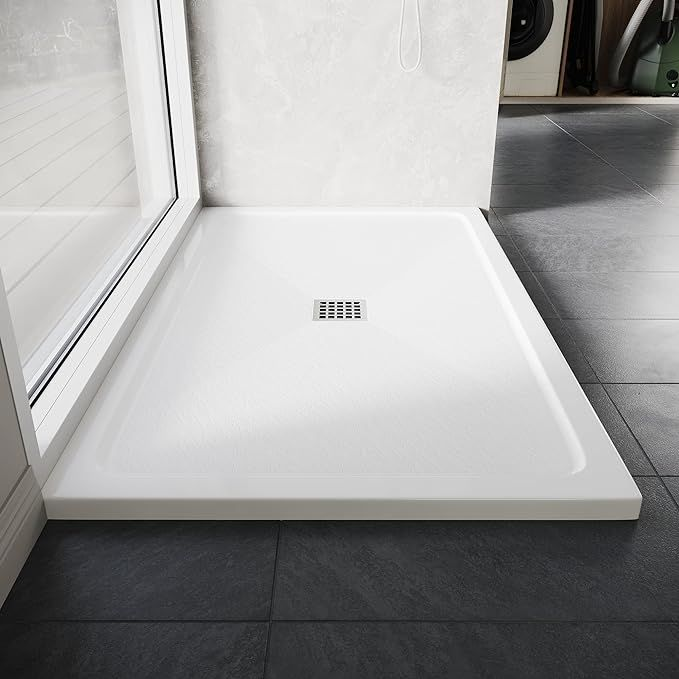
Let’s be honest, most British bathrooms aren’t exactly sprawling sanctuaries. If you live in a Victorian terrace, a 1930s semi-detached, or even a modern flat, chances are your bathroom feels more cramped than calming. The biggest complaints? Not enough floor space, suites that look outdated, and awkward layouts thanks to alcoves or sloping ceilings.
But here’s some good news: you don’t need to knock down walls or extend to make your bathroom feel fresh and spacious. One clever upgrade has the power to transform even the smallest of loos into a surprisingly luxurious haven, the tiled shower tray.
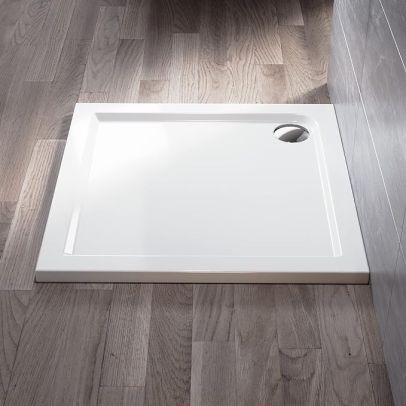
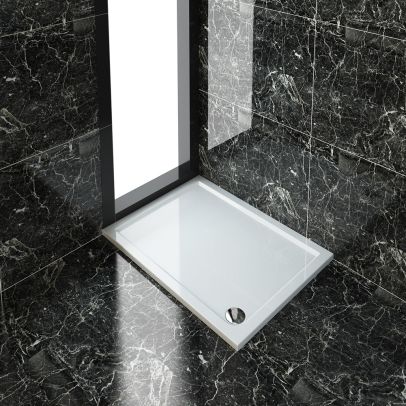
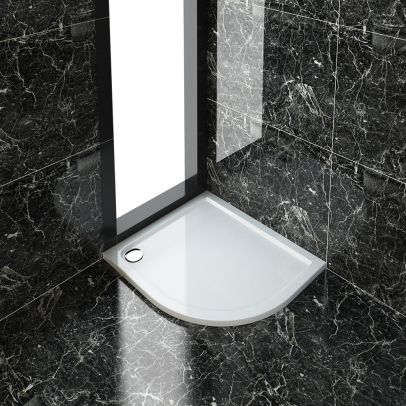
Unlike bulky acrylic shower trays that chop your floor into sections, a tiled shower tray blends seamlessly into your bathroom layout, tricking the eye into seeing more openness. Even better, it offers complete flexibility in size, shape, and style. From sleek modern wet rooms to period-inspired patterns, there’s a design to match any home.
By the time you’ve finished this article, you’ll know why a tiled shower tray is a game-changer for small UK bathrooms, what to consider before committing, and six inspired ideas you can steal and make your own.
The Unbeatable Advantages of a Tiled Shower Tray for Small Bathrooms
Why Choose a Tiled Shower Tray for Your Small Bathroom?
In Britain, we’re often working with bathrooms that are closer to closets in scale. That makes every inch count. The great thing about tiled shower trays is that they not only save precious room, but they also add a layer of sophistication. Let’s break down the main advantages.
Maximising Space and Style
Unlike acrylic or stone resin pre-formed trays, a tiled shower tray creates continuity across your bathroom floor. This uninterrupted run of tiles makes the room feel larger and less boxy. A bulky raised tray tends to chop up the floor visually, while a tiled version almost disappears into the scheme.
Seamless Integration
British homes are notorious for awkwardly shaped bathrooms, small alcoves, Chimney-breast cut-outs, or low eaves in attic conversions. Instead of shoehorning a standard-sized tray into place, a tiled solution can be built to your exact dimensions.
Complete Customisation
Want your tray in a slim alcove? Need to work around redundant pipework? With tiles, you dictate the size, slope, and finish. This flexibility is priceless in spaces where a standard 800mm or 900mm square tray simply won’t work.
Design Freedom
You’re not limited by colour or style either. Match the floor tiles exactly to create that ‘wet room’ aesthetic or use a contrasting motif to define the shower zone as a focal point. From minimalist concrete finishes to bold geometric patterns, the tray can speak your design language.
Increased Home Value
Estate agents will confirm anything that looks sleek, modern, and low-maintenance helps sell a house faster. A well-crafted tiled shower area, especially one resembling a chic wet room, is highly desirable.
Durability
A properly installed tiled base is tough as nails. Unlike cheap acrylic trays that can crack or discolor, a solid, tanked shower base stays watertight and stands up to decades of use.
Key Considerations Before You Tile Your Shower Tray
Essential Planning for Your Tiled Shower Tray Project
Before rushing off to order your dream tiles, you need to know what’s involved. Installing a tiled shower tray isn’t just a matter of laying tiles, it’s essentially a waterproofing and engineering project. Here are the critical factors to cover:
Tanking (Waterproofing)
Waterproofing, or tanking as it’s known in the trade, is the most important step. Think of tanking as the invisible raincoat beneath your tiles. Without it, water will find its way into the subfloor, leading to damp patches, rot, and expensive structural damage.
In the UK, tanking kits from trusted brands like Schluter or Mapei are widely available. They cover both the shower base and at least 300mm up the adjoining walls. UK building regulations also expect bathrooms, especially shower areas, to be properly damp-proofed.
Subfloor and Structure
Tiles are heavy. Add adhesive, grout, and a human being, and you’ve got serious weight pressing down. That means your floor must be solid, level, and rigid. On timber floors, this often means installing thick plywood or tile backer boards over existing boards. On concrete slabs, it’s usually a case of smoothing and levelling the base.
Drainage
Every tiled shower needs a fall or slope, so water drains correctly. A gentle gradient is created, either using a purpose-made pre-sloped tray or mortar screed. Drain choice makes a big difference:
· Linear drains placed against a wall look sleek and allow large tiles with fewer cuts.
· Point drains in the centre are more traditional but require smaller cut tiles arranged towards the drain.
Choose based on your tile layout as much as your style preference.
Professional vs DIY
Although competent DIYers sometimes attempt this, mistakes are costly. A bad tanking job could cause thousands of pounds of damage. For most homeowners, hiring a bathroom fitter is a much safer investment. Pay a professional once rather than paying for repairs later.
Tiled Shower Tray Ideas to Steal for Your Small Bathroom
Inspirational Tiled Shower Tray Ideas for Your British Bathroom
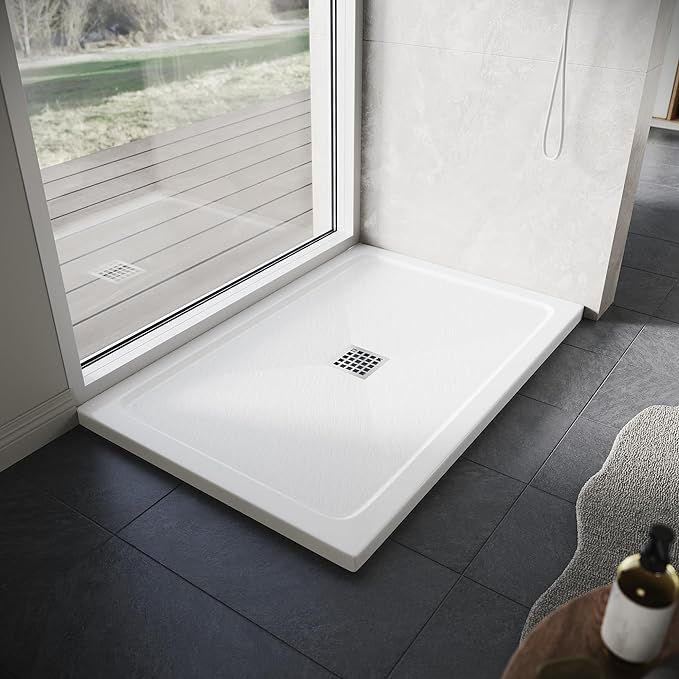
Now for the fun part, let’s explore six stylish design approaches that can make your small British bathroom look and feel extraordinary.
1. The Modern Wet Room Look
· Concept: This is the height of minimalism, your shower blends seamlessly with the bathroom floor for near-level access.
· Why it works in small bathrooms: The lack of barriers tricks your eye into seeing the entire room as one cohesive space. Perfect for accessibility too.
· Tile choice: Large-format porcelain tiles (e.g., 600x600mm or even 600x1200mm) cut down grout lines for a cleaner, ‘wall-to-wall’ look. Use matching tiles on both floor and walls to enhance openness.
· Drain style: A sleek, brushed-stainless linear drain placed against the wall practically disappears.
2. The Classic Victorian & Geometric Pattern
· Concept: Bring period charm to your home using heritage-inspired tiles.
· Ideal for: Edwardian or Victorian terraces with an original character.
· Tile choice: Encaustic patterned cement tiles or durable porcelain replicas in timeless black and white, navy with cream, or soft heritage tones.
· Design tip: Keep wall tiles plain and neutral (think white metro tiles) so the bold floor pattern doesn’t overwhelm.
3. The Frameless Glass Enclosure
· Concept: Pair your tiled tray with a single, clear glass screen, no chunky frames or opaque panels.
· Benefit: Keeps showers contained but maintains an uninterrupted flow of light, making even a tiny bathroom brighter and airier.
· Placement: One screen fixed to the floor, or a simple two-sided walk-in arrangement. Less clutter, more space.
4. The Cosy Alcove Shower
· Concept: Turn a dead recess, boxed-in pipework, or narrow niche into a dedicated shower zone.
· Why it works: Small bathrooms often waste space with awkward voids. Tiling directly into these creates a tailored ‘snug’ shower.
· Design advice: Use a ceiling-mounted rainfall head to save wall room. Built-in niches along the side wall ensure bottles aren’t cluttering tiny surfaces.
5. The Bold Monochrome Statement
· Concept: High-contrast black and white always delivers drama in a compact room.
· Execution: Think matte black hexagonal tiles on the floor partnered with glossy white subway tiles. Or invert the colours for a striking flip.
· Pro tip: Choose black grout for the white tiles. It’s graphic, on-trend, and hides inevitable stains from soap or mould.
6. The Natural Stone Sanctuary
· Concept: Give your small bathroom the feel of a boutique hotel spa.
· Ideal Materials: Slate, limestone, or marble tiles. Consider textured finishes for grip in wet zones.
· Caution: Natural stone looks exquisite but needs regular sealing. In high-traffic homes with kids, porcelain ‘stone effect’ tiles may be more practical.
Choosing the Right Tiles for Your Shower Tray
Best Tiles for a Shower Tray: A Practical Guide
Not all tiles are created equal. Selecting the right ones makes the difference between a shower that lasts decades and one that causes regular headaches.
· Porcelain vs Ceramic: Porcelain should be your first choice. It’s tougher, denser, absorbs almost no water, and resists daily wear. Ceramic tends to be softer and less suitable for wet floors.
· Size: Large tiles reduce grout lines (less scrubbing, and more seamless look) but can complicate sloping towards a central drain. Mosaics or small format tiles, often sold on mesh sheets, are excellent for this.
· Finish: Avoid glossy polished tiles underfoot as they become skating rinks. Choose matt, textured, or honed finishes with at least an R10–R11 slip rating.
· Colour: Lighter shades expand a room visually, while darker shades create intimacy. Practical tip: pale limestone tones hide water spots better than shiny black.
The Installation Process: A Step-by-Step Overview
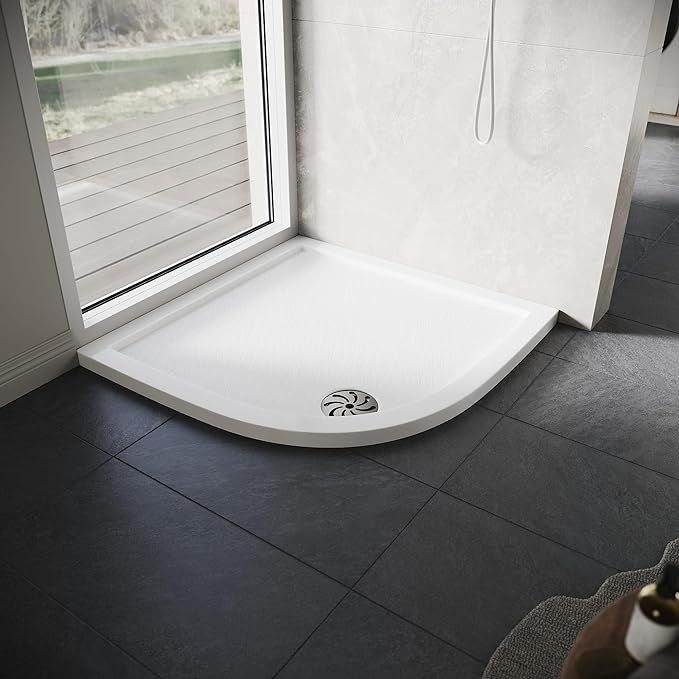
How is a Tiled Shower Tray Installed?
This is not a DIY tutorial but a bird’s eye view of what goes into installation.
1. Prepping the Subfloor: Reinforce timber bases with plywood or cement boards. Ensure everything is strong, level, and dust-free.
2. Installing the Drain: Fit and connect the chosen drain securely into the waste pipe system. Getting this wrong is disastrous later.
3. Creating the Fall: Use a pre-formed angled tray base or carefully screed mortar so water flows naturally toward the drain.
4. Waterproofing (Tanking): Apply the chosen waterproofing kit to all surfaces. Overlap membranes and seal joints meticulously.
5. Tiling: Fix tiles using flexible adhesive suitable for wet areas. Careful setting out avoids unsightly slivers around drains.
6. Grouting and Sealing: Grout with a mould-resistant option. Then apply silicone seals where walls meet floors and around the drain.
Conclusion: Transform Your Small Bathroom with Tiled Shower Trays
A small British bathroom doesn’t mean you must compromise on style or comfort. The tiled shower tray is the unsung hero of compact spaces, maximising every inch, adding continuity, and opening up incredible possibilities for design.
From modern wet-room minimalism to traditional Victorian charm, the right tiled tray turns your bathroom into a hardworking yet beautiful retreat. Just remember: waterproofing and professional installers aren’t optional, they’re your lifeline for years of leakage-free use.
So, if you’re ready to rise above cramped, boxy bathrooms, let these ideas inspire you. With a well-designed tiled shower tray, you’ll create a space that’s practical, long-lasting, and a joy to use daily.
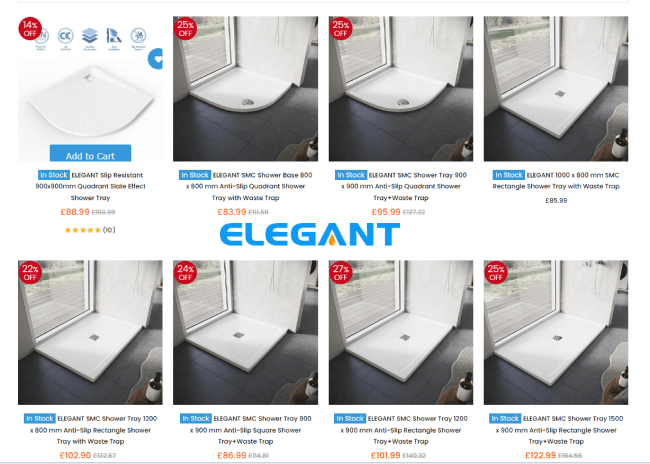
For even more design options and professional advice, you can explore Elegant Showers UK online shop. It’s where tailored shower tray solutions are combined with expert consultation.



Validate your login