

You’ve decided it’s time. That leaking, limescale-ridden, or simply outdated shower screen has to go. But as you start your research, a fog of varying prices descends. Quotes range from a seemingly cheap £150 to a staggering £3,000. What should you actually budget for a new shower screen in 2026?
This direct, numbers-focused guide is designed to cut through that confusion. We’ll move beyond vague estimates and provide a clear, detailed breakdown of every cost involved in buying and installing a shower screen in the UK this year. Whether you’re planning a full bathroom renovation or a simple upgrade, understanding the real cost of a shower screen—from glass types and frame styles to installation labour and hidden extras—is the key to smart budgeting. Let’s demystify the price tags and help you invest confidently in a centrepiece that combines practicality, safety, and style.
Understanding Shower Screen Cost Factors – It’s More Than Just Glass
The final price on your quote isn’t a random figure. It’s the sum of several interconnected decisions, each with its own cost implication. Before diving into specific numbers, it’s crucial to understand the six key levers that control your total shower screen cost.
-
Type of Shower Screen & Design: This is the biggest cost driver. A simple quadrant shower enclosure for a corner tray is at the budget end, while a sweeping, walk-in shower screen for a wet room sits at the premium level. Sliding door mechanisms are typically more complex and costly than pivot doors.
-
Glass Type & Thickness: Standard 6-8mm toughened glass is the baseline. Upgrading to 10mm thick toughened glass for a more premium, stable feel (especially for frameless designs) or opting for laminated safety glass will increase the shower screen price.
-
Finish & Framing: The quest for a minimalist look comes at a cost. Framed screens are most affordable, semi-frameless options offer a middle ground, and fully frameless shower screens command the highest prices due to the need for thicker glass and superior hardware.
-
Size & Customisation: Standard-sized screens (e.g., 760mm or 800mm quadrants) are economical. The moment your space requires a bespoke or made-to-measure shower screen, you’re paying for custom manufacturing, which significantly increases the cost.
-
Installation Complexity: Swapping a like-for-like screen is straightforward. Installing a new screen in a freshly tiled wet room, dealing with non-standard walls, or making good existing tiles adds to the shower screen installation cost.
-
Additional Features & Hardware: Extras like anti-limescale coatings, easy-clean nanotechnology, obscure privacy glass, and the quality of hinges and handles all incrementally affect the final shower door price.
2026 Shower Screen Price Breakdown – Supply Only
Here is our dedicated 2026 price guide for supply-only shower screens, based on current market averages across UK retailers and manufacturers. These ranges reflect the cost of the unit itself, before any fitting.
Shower Enclosure Cost (Quadrant): £150 - £600+
What it covers: The classic corner unit for a 760mm or 800mm tray. The lower end gets a basic framed model; £400-£600 buys a high-quality semi-frameless design with good hardware.
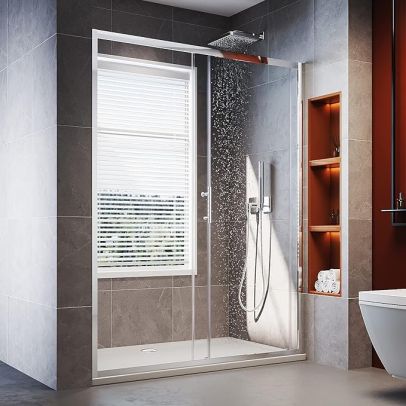
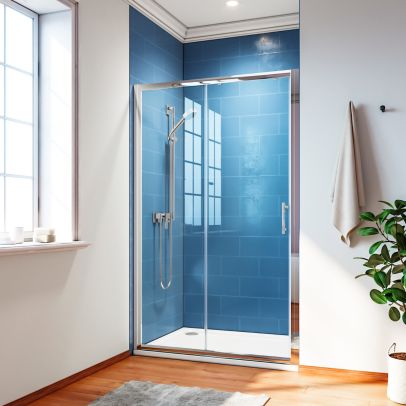
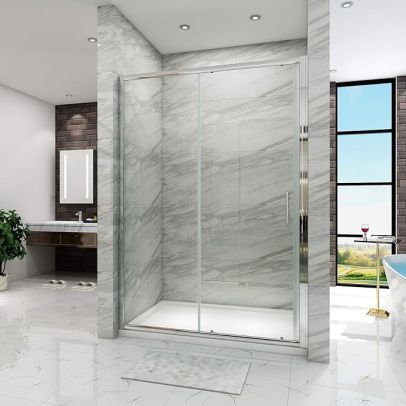
Sliding Door Shower Screen Cost: £200 - £1,200+
What it covers: Ideal for space-saving. Budget prices are for framed, standard-sized twin-pane screens. The upper range is for wide, frameless sliding doors with premium gliding mechanisms.
Pivot Door Shower Screen Cost: £180 - £900+
What it covers: A single door that swings inwards/outwards. Often more affordable than sliding options. The higher cost is for large, heavy-duty pivot doors, often frameless.
Frameless Shower Screen Cost: £350 - £1,800+
What it covers: The premium choice for a seamless look. Price depends heavily on size, glass thickness (8mm vs. 10mm), and the number of panels. A single fixed panel is cheaper than a multi-panel enclosure.
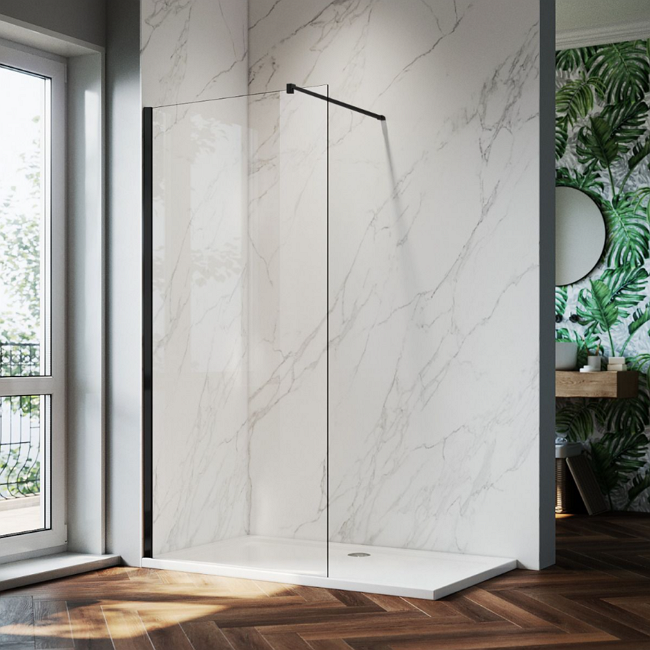
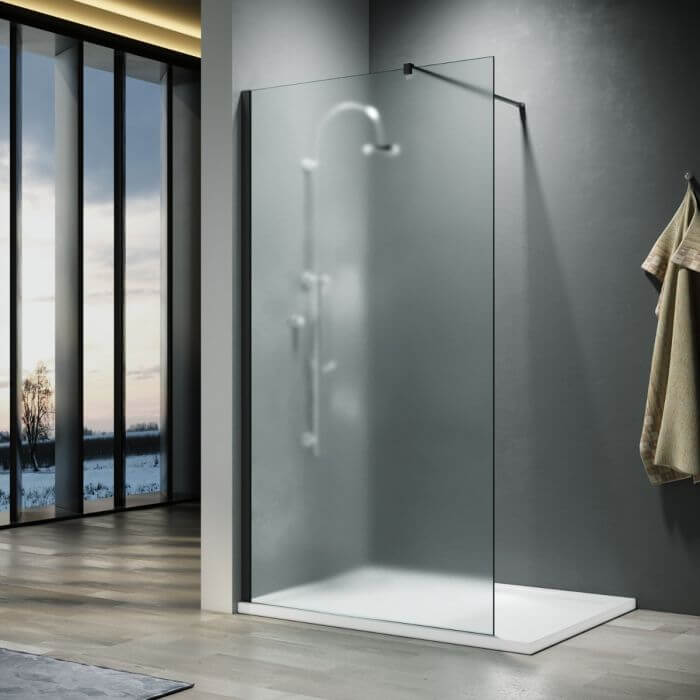
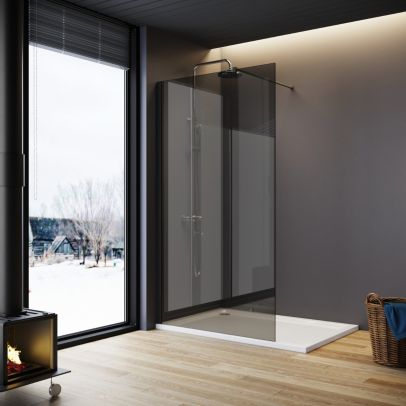
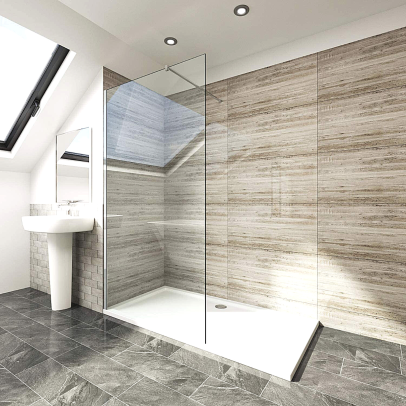
Walk-In Shower Screen Cost (Panoramic/Glass Panel): £250 - £2,000+
What it covers: A fixed glass panel that creates an open walk-in shower area. A single 10mm panel can start around £250. Adding a door to create a ‘walk-in enclosure’ pushes the price sharply upwards, especially for bespoke widths and heights.
Bespoke/Made-to-Measure Shower Screen Cost: £500 - £3,000+
What it covers: Any screen not built to standard dimensions. This is where costs become highly project-specific. Curved glass, unusual angles, and very large spans will hit the top of this range.
Shower Screen Glass Types & Thickness – A Cost Comparison
Your choice of glass is a direct trade-off between shower screen price, safety, and aesthetics. Here’s how the options stack up for 2026.
-
Standard Toughened (Tempered) Glass (6-8mm): This is the legal minimum and most affordable option. The tempering process makes it 4-5 times stronger than ordinary glass and causes it to break into small, granular chunks rather than dangerous shards. Perfect for standard framed and semi-frameless screens.
-
Laminated Safety Glass: This features a protective interlayer between two sheets of glass. It is more expensive than standard toughened glass and offers enhanced safety by holding together if impacted. It also provides better sound insulation.
-
10mm Thick Toughened Glass: The hallmark of a quality frameless shower screen. The extra thickness (and weight) provides a substantial, luxury feel and superior rigidity, eliminating flex in large door panels. This upgrade typically adds 30-50% to the glass cost compared to 8mm.
Glass Treatments & Finishes:
-
Clear vs. Obscured (Patterned): Patterned or frosted glass usually comes at a small premium (10-15%) over clear.
-
Anti-Limescale Coatings: A permanent hydrophilic coating causes water to sheet away, reducing spots and scale build-up. Expect to add £50-£150 to the overall shower screen cost for this valuable, time-saving feature.
-
Easy-Clean Coatings: Often similar to anti-limescale treatments, these hydrophobic coatings repel water and dirt. A worthwhile investment for reducing cleaning time.
Shower Screen Installation Costs in 2026
Never underestimate the shower screen installation cost. A poorly fitted screen can lead to leaks, damage, and even glass failure. Professional fitting ensures a waterproof, safe, and long-lasting finish. Here’s what to budget for labour in 2026.
Basic Installation (Like-for-Like Replacement): £80 - £150
Removing an old screen and fitting a new, similar-sized one into the existing footprint, assuming the tray and walls are sound and ready.
Standard New Installation (Prepped Area): £150 - £300
The most common scenario. Installing a new screen in a prepared aperture where the tray is already level and fixed, and the walls are flat and tiled. This includes sealing and making minor adjustments.
Complex Installation (Tiling, Making Good, Wet Room): £300 - £600+
Any job requiring additional work: installing onto uneven walls, integrating with new tiling, creating a watertight seal in a wet room, or significant making good after removal.
Bespoke/Frameless Screen Installation: £250 - £500+
These require a specialist. The installation of heavy 10mm glass, precise alignment of frameless clamps, and often custom sealing solutions demand higher skill levels, reflected in the professional shower screen fitting price.
Many suppliers offer supply and fit shower screen packages. These can offer better value and guarantee as the installer is familiar with the product. Always get multiple, itemised quotes.
How to Save Money on Your New Shower Screen
Achieving the look you want without overspending is possible. Here are smart ways to manage your shower screen cost.
-
Choose Standard Size: If your space allows, select a screen from a retailer’s standard range rather than going bespoke. This is the single biggest saving.
-
Opt for Semi-Frameless: You get a modern, clean look similar to frameless but at a significantly lower shower door price, as thinner glass can be used.
-
Prefer Pivot Over Sliding: Pivot door mechanisms are generally simpler and less expensive than sophisticated sliding gear.
-
Shop Sales for Supply-Only: Time your purchase for major sales events (January, Black Friday) if you’re buying supply-only. You can often find last season’s models or overstock at a discount.
-
Get Multiple, Detailed Quotes: For installation, obtain at least three written quotes that break down labour and materials. This clarifies what you’re paying for and highlights outliers.
-
DIY the Prep (If Skilled): If you’re confident, you can reduce labour time by removing the old screen yourself and ensuring the area is clean and ready for the installer.
Conclusion: Investing Wisely in Your Perfect Shower Screen
Navigating the shower screen cost landscape in 2026 doesn’t have to be daunting. As we’ve outlined, the final price is a transparent equation of your design choices plus professional expertise. The key takeaway is to budget for the total project: a realistic shower screen price for the unit itself, combined with a fair installation cost for a skilled fitter.
By understanding the cost implications of glass thickness, frame styles, and size customisation, you can make informed decisions that align with your vision and your bathroom renovation budget. Whether you opt for a cost-effective quadrant or a show-stopping bespoke frameless design, the true value lies in a precise fit, enduring quality, and a watertight finish.
Ready to explore the perfect shower screen for your home? For more inspiration, from sleek frameless designs to space-saving sliding enclosures, and to discover innovative solutions for any bathroom layout, visit Elegant Showers at https://www.elegantshowers.co.uk/. Explore our extensive collection and detailed guides to turn your vision into a reality.

Validate your login