


For UK homeowners, particularly those navigating the charming yet often compact confines of a Victorian terrace, a 1930s semi, or a modern new-build, the bathroom renovation presents a classic dilemma. The choice between a walk-in shower and a bath tub is more than a mere design preference; it's a decision that impacts daily routine, space perception, and even future property value. With space-saving at a premium in British homes, this debate becomes central to creating a bathroom that is both functional and serene. This comprehensive guide delves into the pros and cons of each option, providing detailed, UK-specific solutions to help you make the perfect choice for your home and lifestyle.
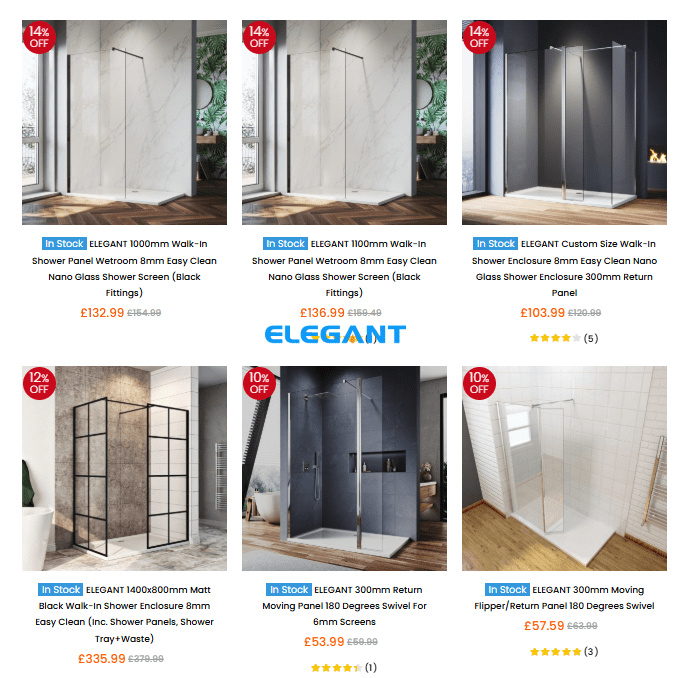
The Modern Walk-In Shower: Advantages and Drawbacks
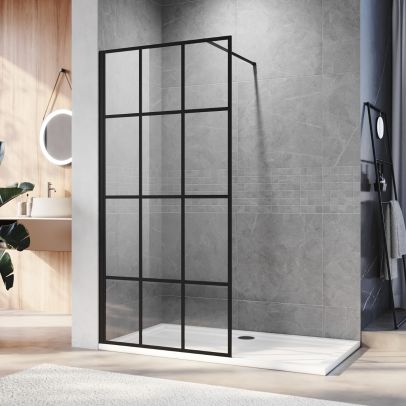
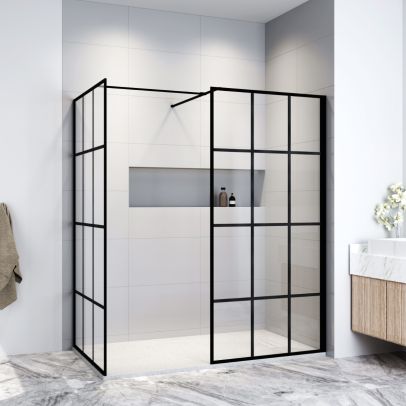
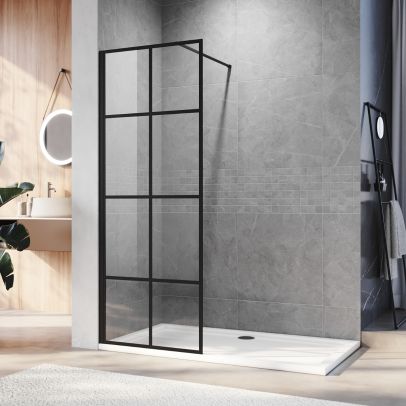
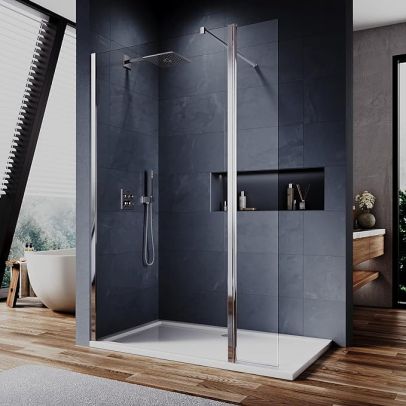
The walk-in shower has surged in popularity, embodying the sleek, minimalist aesthetic of contemporary bathroom design. Characterised by a low-profile tray, a wide entrance (often with just a slim channel drain), and a glass screen or partial wall, it offers a clean, open look highly suited to small bathroom layouts.
Key Advantages of a Walk-In Shower
-
Accessibility and Safety: A low-threshold or level-access wet room is inherently safer, reducing trip hazards. This makes it an excellent choice for aging in place or for households with less mobile members. Adding grab rails and non-slip flooring enhances safety further, future-proofing your bathroom.
-
Spatial Perception: The single largest benefit for a compact bathroom. A frameless glass shower screen allows light to flow freely, making the entire room feel larger and more open. Removing the visual bulk of a bath or a full enclosure creates an illusion of space that is invaluable in UK en-suites or smaller family bathrooms.
-
Styling and Modern Aesthetics: Walk-in showers offer a clean, contemporary bathroom look. They can be tailored with large-format tiles, rainfall showerheads, and body jets to create a luxurious, spa-like experience. The design flexibility is vast, from minimalist wet room styles to defined walk-in enclosures.
-
Ease of Use and Low Maintenance: Quick to use for a daily rinse, they align with fast-paced lifestyles. When designed well—with good water containment and easy-clean surfaces—they can be simpler to maintain than a bath, with fewer nooks for grime.
Potential Drawbacks of a Walk-Only Shower
-
No Soaking Option: The most significant sacrifice. For those who cherish a long, hot bath for relaxation to soothe muscles or unwind, a shower-only setup cannot replicate the experience.
-
Splash and Containment: Poor design can lead to water escaping onto the bathroom flooring, a common issue in poorly planned wet rooms or with insufficient screens. This requires meticulous planning of drainage and screen placement.
-
Initial Installation Cost: A quality walk-in shower can be costly. Proper installation, especially for a tanked wet room, requires specialist skills to prevent leaks. Factors like a thermostatic mixer shower, premium trays, and toughened glass add to the budget.
-
Family and Resale Considerations: Families with young children often find bathing toddlers in a shower challenging. Furthermore, some estate agents caution that removing the only bath tub in a family home can potentially devalue a property or limit its appeal to future buyers, a key resale value consideration.
The Classic Bath Tub: Enduring Appeal and Practical Challenges
The bath tub remains a bastion of British bathrooms, synonymous with deep-soak relaxation and practical family living. From the classic roll top bath to the space-efficient built-in bath, it offers a timeless appeal.
Key Advantages of a Bath Tub
-
Luxury and Relaxation: Unrivalled for a deep, hot soak. It’s a dedicated space for stress relief, offering therapeutic benefits that a quick shower cannot match—a vital self-care sanctuary in the home.
-
Family-Friendly Utility: For households with babies or young children, a bath is often essential. It provides a safe, contained environment for bath time, a practical non-negotiable for many UK homeowners.
-
Resale Value and Market Appeal: Traditionally, a family home with at least one bath is seen as more desirable. It caters to a wider buyer pool, a factor frequently highlighted in property value discussions. A stylish freestanding bath can even be a standout selling feature.
-
Versatility: Most UK baths serve dual purposes. A shower over bath setup, using a bath shower mixer tap and a screen or curtain, offers both options, maximising functionality.
Cons and Challenges of a Bath Tub
-
Space Consumption: The most prominent issue in small bathrooms. A standard 1700mm bath dominates the room, making it feel cramped and hindering other bathroom storage or layout options.
-
Accessibility Issues: High sides pose a significant barrier for the elderly or those with mobility challenges, contradicting principles of accessible design and future-proofing.
-
Water and Energy Usage: Environmentally and financially, baths are less efficient. Filling an average bath tub uses 80-150 litres of water, compared to a short shower, impacting both water efficiency and energy bills.
-
Cleaning and Maintenance: The larger surface area, taps, and the bath panel create more to clean. Seals around shower screens over baths are prone to mould if not maintained.
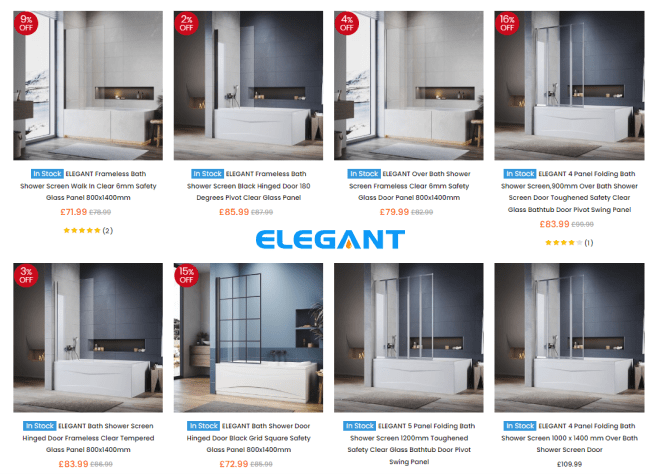
Walk-In Shower vs. Bath Tub: The Head-to-Head Comparison
To crystallise the choice, here is a direct comparison based on key decision factors for UK homeowners:
| Feature | Walk-In Shower | Bath Tub |
|---|---|---|
| Space Required | Can be configured in as little as 700x700mm (tight) or 800x800mm; ideal for space-saving. | Minimum ~1500mm length; dominates floor space. |
| Installation Cost | Medium to High (costs vary for trays, glass, tanking). | Low to Medium (standard panel bath). High for freestanding (plumbing changes). |
| Water Usage | Lower (30-50 litres for a 4-min efficient shower). Can be high with long power shower use. | Higher (80-150 litres per fill). |
| Family Suitability | Less ideal for young children. Excellent for adults/teens. | Highly suitable, especially with a shower over bath. |
| Accessibility | Excellent, especially level-access designs. | Poor, due to high sides. |
| Resale Impact | Potentially negative in family homes; positive in one-bed flats or as a second en-suite. | Generally positive or neutral; expected in family homes. |
| Relaxation Factor | Refreshing & invigorating. | Unbeatable for deep-soak relaxation. |
| Maintenance | Easier with good design (fewer seams). | More surfaces; seals to maintain. |
Key Decision Questions:
-
Who lives here? (Young family, couple, single occupant?)
-
How long will you stay? (5 years vs. forever impacts future-proofing needs.)
-
What’s your priority? (Speed vs. relaxation; modern aesthetics vs. traditional charm.)
-
What’s your budget? (Include installation, bathroom tiles, and potential plumbing changes.)
Innovative UK Space-Saving Bathroom Solutions
Thankfully, the binary choice is not your only option. British bathroom designers and manufacturers have pioneered clever solutions for compact bathrooms.
The Compromise Champion: The Shower Bath
A P-shaped bath or L-shaped bath is a quintessential UK space-saving solution. It combines a standard bath length with an extra-wide quadrant for showering.
Pros: Provides both options in a corner bath footprint.
Cons: The shower area can feel confined, and the bath length for soaking is often reduced.
The Compact Walk-In Shower
For a shower-only approach, opt for a quadrant shower enclosure (700x700mm, 800x800mm) with sliding doors that save crucial swing space. A walk-in shower with a single fixed panel and a small entry area can also work beautifully in an alcove.
The Ultimate Space Illusion: The Walk-In Wet Room
A fully tanked wet room with a level-access shower area creates a seamless, open feel, making even the smallest en-suite appear larger.
Pros: Spacious, modern, fully accessible, easy to clean.
Cons: Highest installation cost; requires perfect fall on the floor to the drain and excellent ventilation.
Smart Tub Choices for Small Spaces
-
Short-Length Baths: Look for 1500mm baths or even 1400mm baths designed for smaller rooms.
-
Sit-In or Soaking Tubs: Deep, upright Japanese-style baths or sit-in baths offer a deep soak in a shorter footprint.
-
Straight Baths Against a Wall: A simple straight bath with a bath screen is more space-efficient than a central freestanding bath.
Optical Illusions and Clever Design
-
Use Light: Large-format, light-coloured bathroom tiles reflect light.
-
Elevate Fixtures: Wall-hung vanity units and wall-hung toilets expose floor space, enhancing the sense of room.
-
Recessed Storage: Build recessed shelving into stud walls or above baths for towel and product storage without protrusions.
-
Frameless Glass: Always choose frameless glass for screens to maintain sightlines.
Making Your Decision: A Practical UK Guide
-
If you choose a walk-in shower: Invest in a quality thermostatic shower for consistent temperature and pressure. Ensure your combi boiler can cope with demand. Prioritise good extractor fan ventilation to manage humidity.
-
If you choose a bath tub: For versatility, fit a bath shower mixer with a handheld showerhead. Choose a stylish bath panel and consider a non-slip bath surface for safety.
-
If space is your primary concern: The shower bath is your most practical compromise. Alternatively, a well-designed compact walk-in shower with a sliding door will maximise the available space.
The Final Words
The choice between a walk-in shower and a bath tub in your UK bathroom renovation is deeply personal, hinging on space, lifestyle, and long-term plans. For ultimate space-saving and a modern feel, the walk-in shower is a compelling choice. For family utility and deep-soak relaxation, the bath tub holds its ground.
For most UK homeowners grappling with limited square footage, the intelligent compromise—be it a space-saving shower bath, a cleverly configured compact walk-in shower, or a space-enhancing wet room—provides the perfect balance. Weigh your pros and cons, consider future-proofing and resale value, and invest in quality installation. By doing so, you’ll create a bathroom that not only saves space but enhances your daily life and adds lasting value to your home.
Ready to explore your options further? For a wealth of inspirational ideas, detailed guides, and innovative space-saving solutions tailored to UK bathrooms, visit Elegant Showers. Discover how to transform your bathroom into the perfect blend of style, practicality, and efficiency.


Validate your login